
This is the live feed for We Love Wildlife. Every new article from sharks, wolves, whales, elephants, pandas, dolphins, bears and tigers lands here in published order. Follow any source link to keep reading on the blog that wrote it.
Our own articles
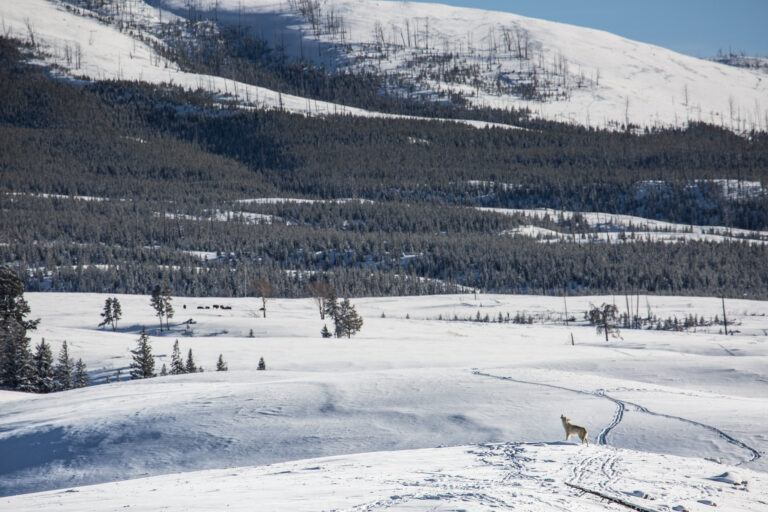
Long-Distance Animal Communication: How Far Each Call Carries
Whale song, elephant rumbles, wolf howls and dolphin whistles all reach animals out of sight. Here is how far each is measured or estimated to carry, and what decides the range.
Read the article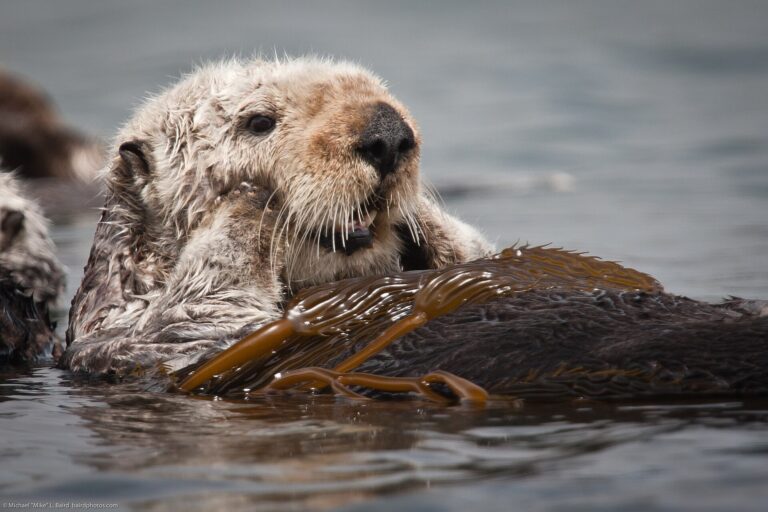
Keystone Species Explained: What the Evidence Shows
Sea stars, sea otters, Yellowstone wolves, elephants and tiger sharks are all called keystone species. Here is what the studies behind each case show, and where scientists still disagree.
Read the article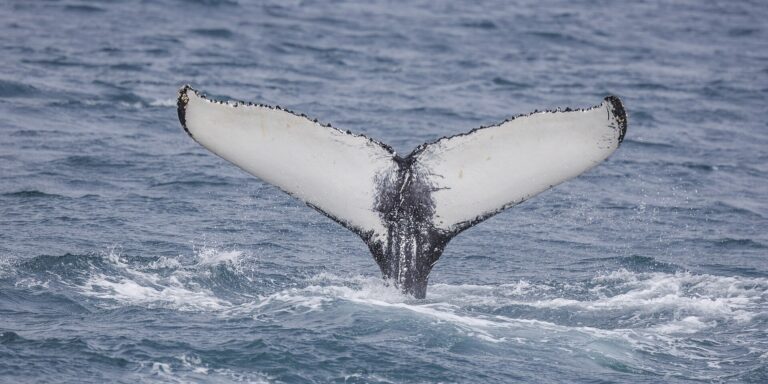
How Scientists Count Wild Animals: Stripes, Fins, DNA and Planes
Wildlife population figures are estimates, not head counts. Here is how camera traps, photo ID, DNA from droppings and aerial surveys count tigers, whales, pandas, bears and elephants.
Read the article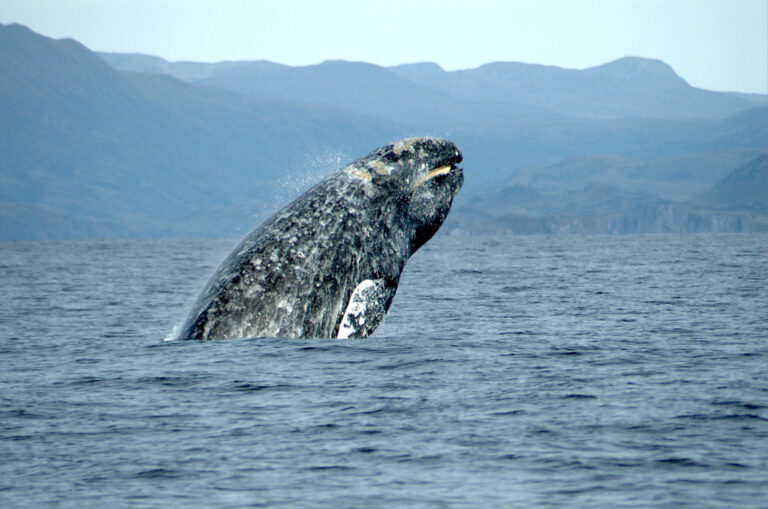
Why Animals Migrate and Disperse: Whales, Elephants, Wolves
Grey whales and humpbacks travel thousands of miles and come back. Young wolves leave home for good. Here is what drives each journey, from food and water to mates and, possibly, whale skin.
Read the article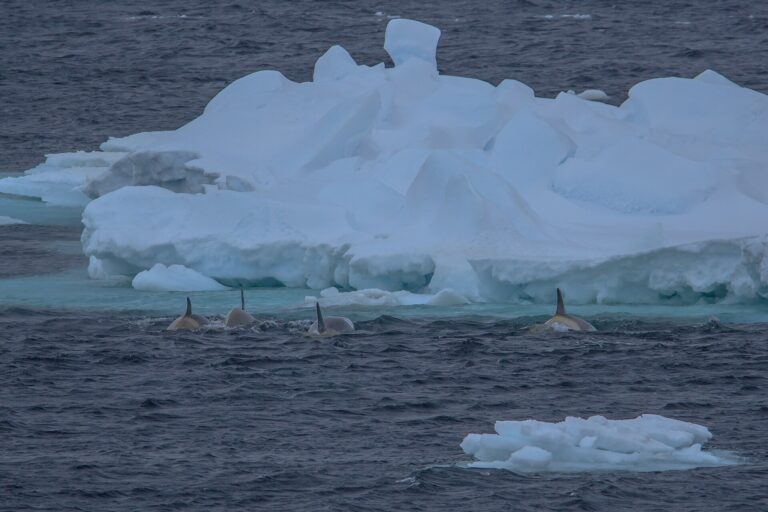
Do Apex Predators Have Predators? What Kills the Hunters
Apex predators are said to have no natural predators once grown. Orcas hunting white sharks, wolves killing rival wolves, disease and people show where that rule breaks.
Read the articleLatest from our blogs

How Wolves Move in Snow: Feet, Footload and Snowfall
Wolves spread their toes on snow, but a study of collared wolves in Alberta found falling snow slowed packs more than deep snow did. The post How Wolves Move in Snow: Feet,...
Read on We Love Wolves
Red Panda Cubs: Birth, Den Life and Weaning Explained
How a red panda cub grows from a 100 gram newborn in a tree den to a young adult, with the timing from two zoos and a recent genetics study. The post...
Read on We Love Pandas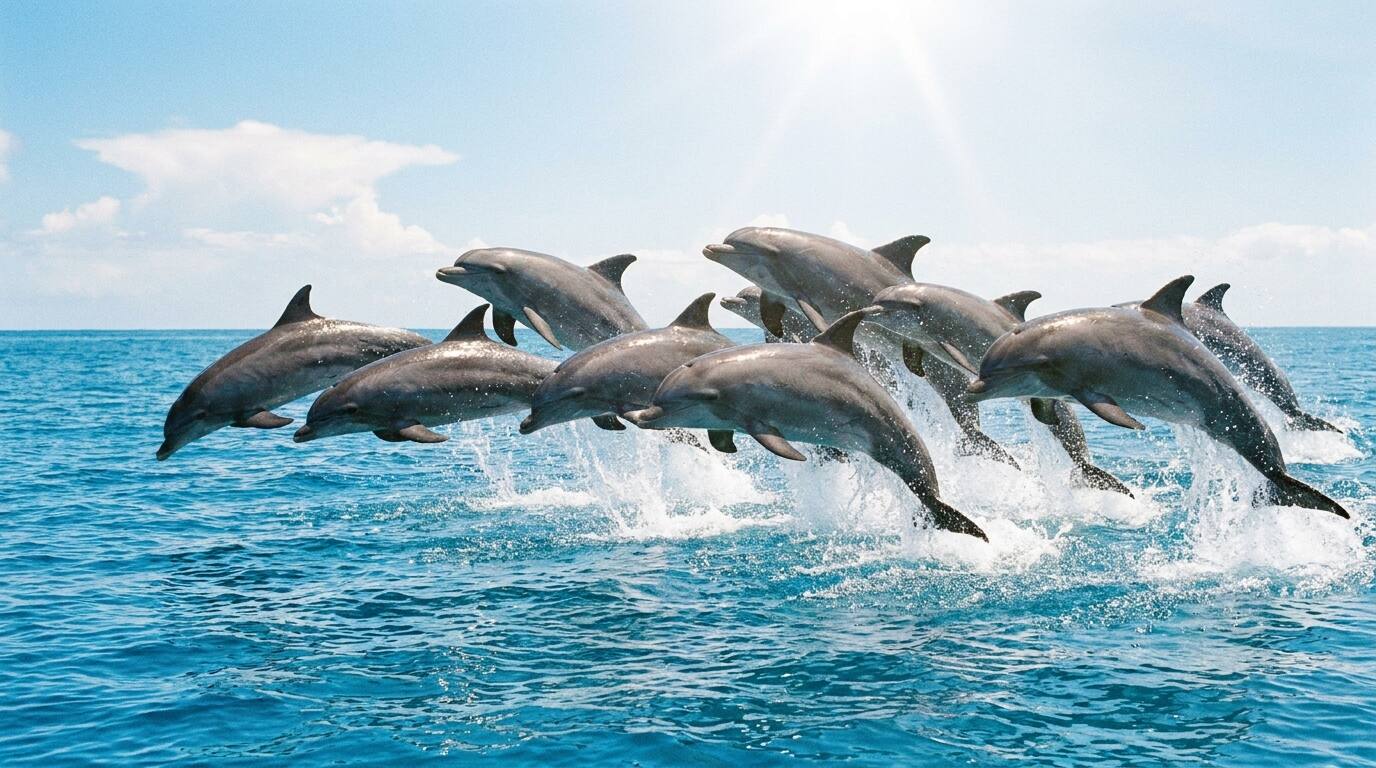
Dolphin Senses: Taste, Smell and Electric Sense Explained
Dolphins have lost smell and most of their taste, yet they can recognise a friend by urine and sense weak electric fields. Here is what scientists found. The post Dolphin Senses: Taste,...
Read on We Love Dolphins
Epaulette Shark: The Reef Shark That Walks and Shrugs Off Low Oxygen
The epaulette shark walks on its fins and survives night-time oxygen crashes in Great Barrier Reef tide pools. Here is what studies found, and what it does not. The post Epaulette Shark:...
Read on We Love Sharks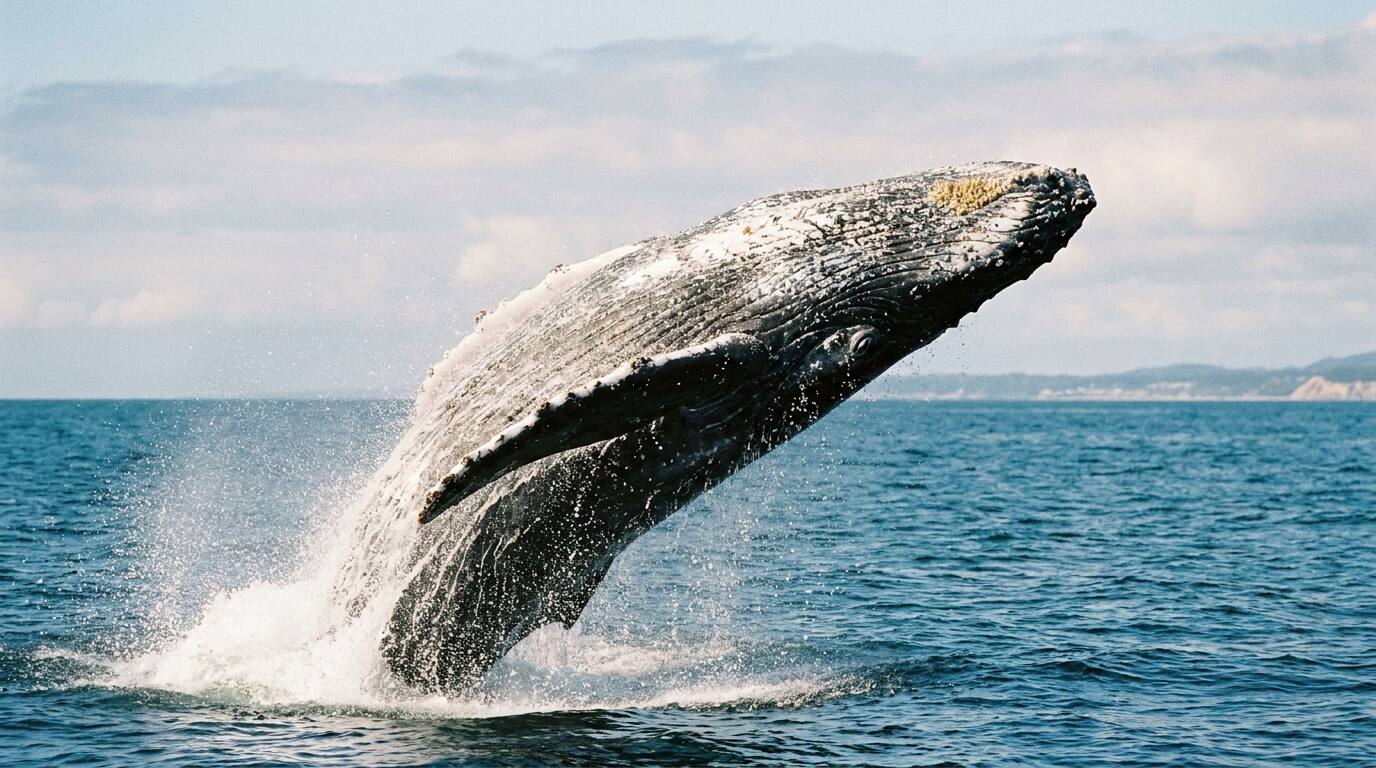
How Baleen Whales Feed: Gulps, Skims and Bubble Nets
Baleen whales have no teeth. They use keratin plates as a sieve, and each species has its own way to fill it. The post How Baleen Whales Feed: Gulps, Skims and Bubble...
Read on Love Whales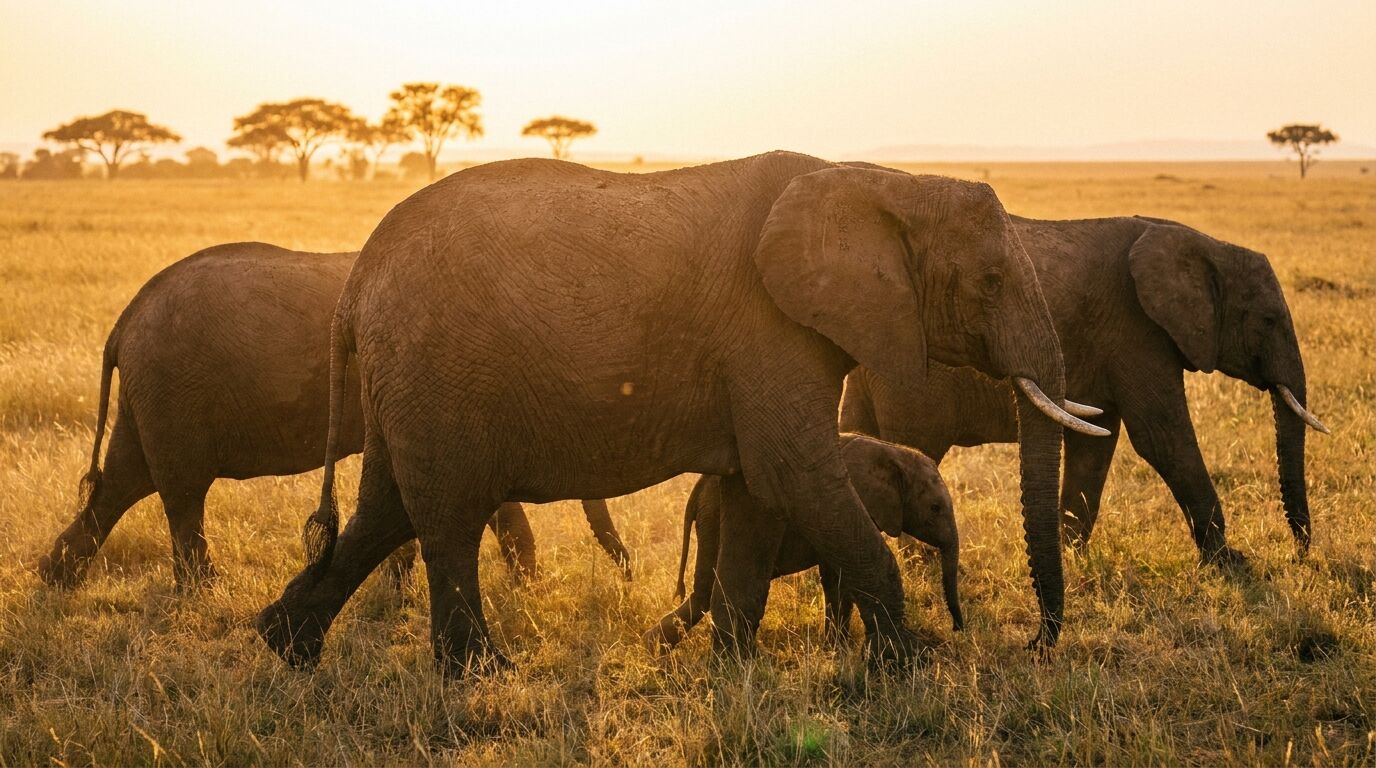
Can Elephants Run? What Gait Measurements Show
Elephants never leave the ground at once, yet they bounce on springy legs at speed. Here is what the measurements say about their gait and top pace. The post Can Elephants Run?...
Read on Love ElephantsElephants as Seed Dispersers: How They Plant Forests
Forest elephants carry seeds up to 57 km and some African trees barely regenerate without them. Here is what field work from Congo to Sri Lanka has found. The post Elephants as...
Read on Love Elephants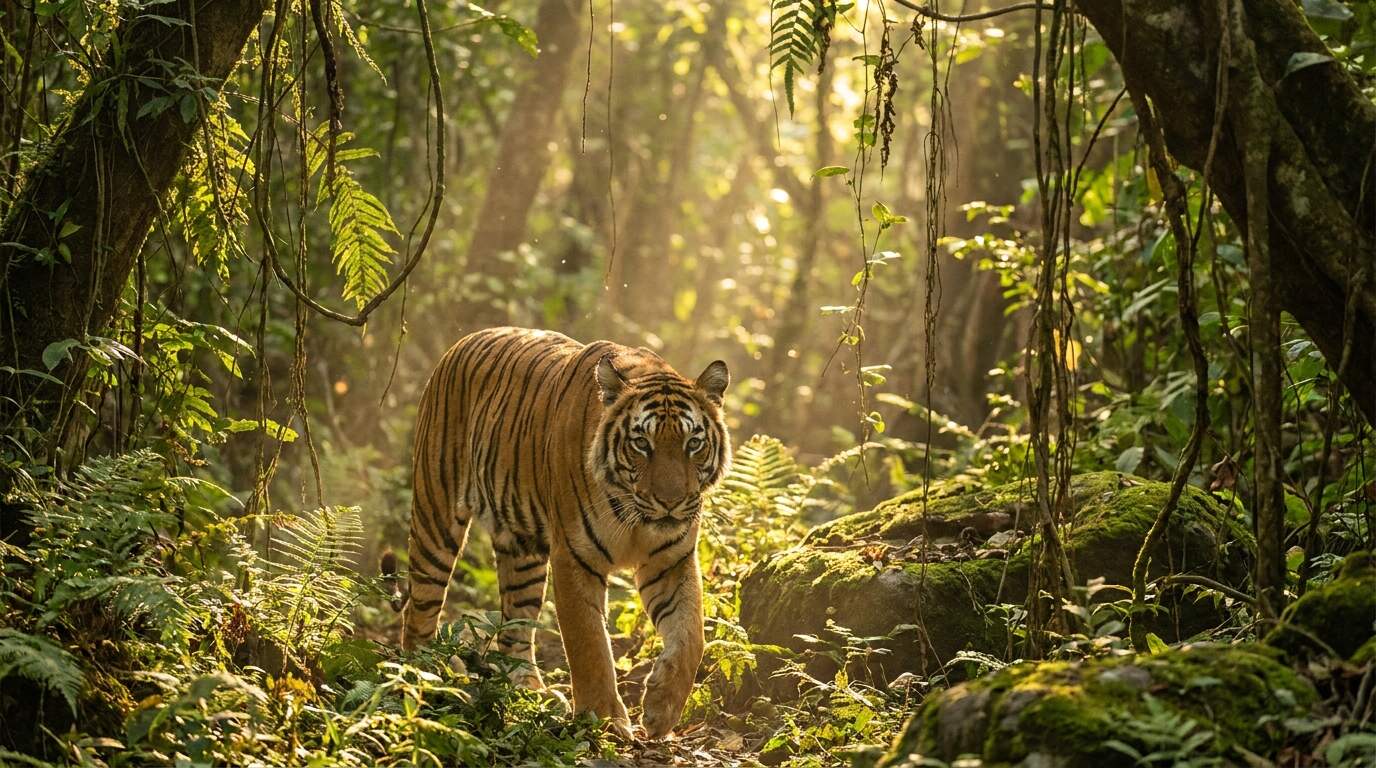
How Tigers Mate: Oestrus, Courtship and Timing
A tigress is receptive for only a few days at a time. Here is how tigers signal, court, mate and time a litter. The post How Tigers Mate: Oestrus, Courtship and Timing...
Read on We Love Tigers
Bear Tracks: How to Read Black Bear and Grizzly Prints
How to read a bear track: five toes, front and rear print sizes, the toe line and claw marks, and what a print cannot tell you. The post Bear Tracks: How to...
Read on Love Bears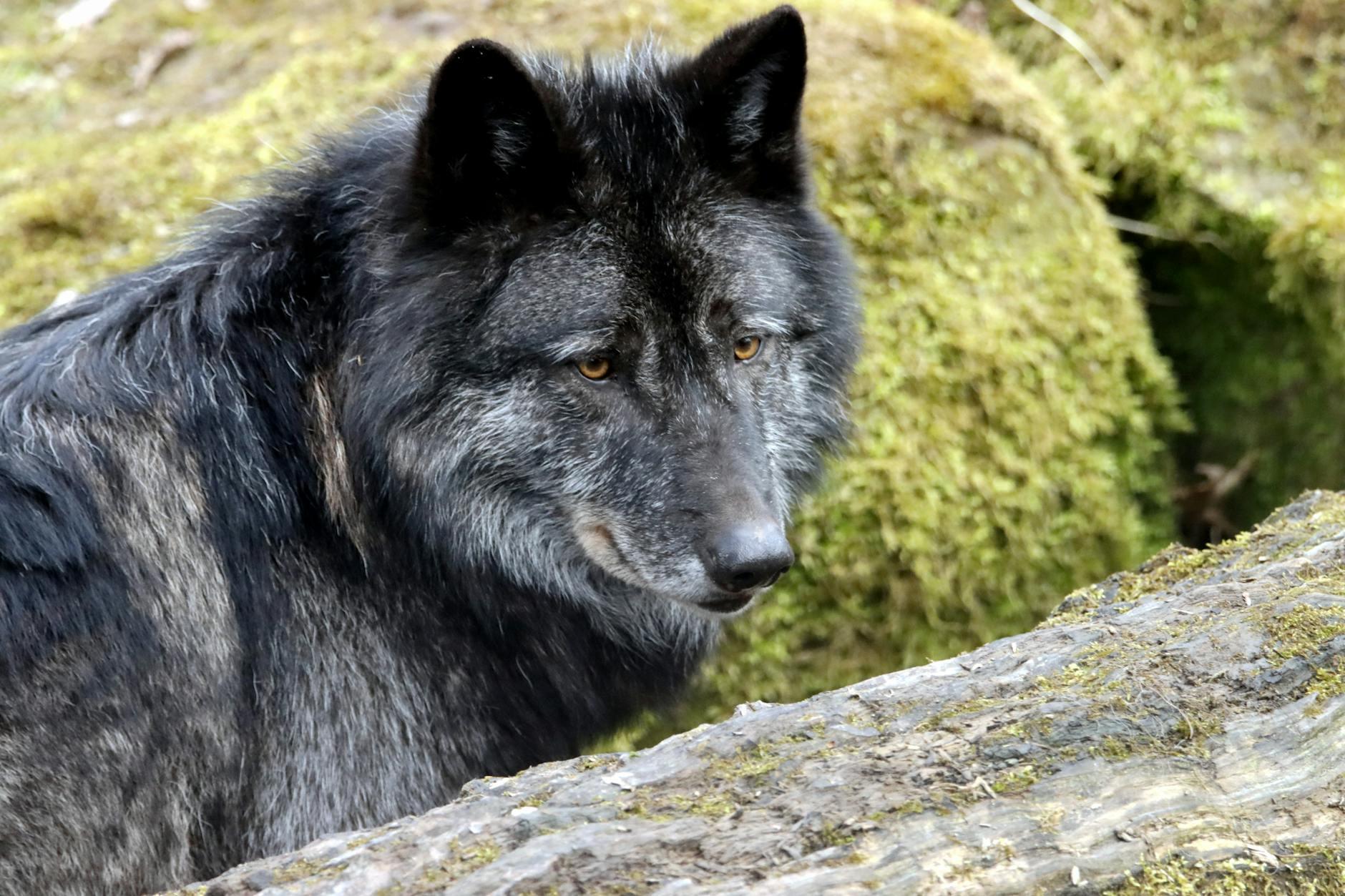
OR-7: The Wolf That Walked From Oregon to California
OR-7, called Journey, left Oregon's Imnaha Pack in September 2011 and in December became the first wild wolf confirmed in California since 1924. His route, the Rogue Pack he founded, and the...
Read on We Love WolvesPanda Taste: Lost Umami, a Sweet Tooth and Bitter Bamboo
Giant pandas have lost the umami receptor gene, kept a taste for sugar and carry a bitter-taste toolkit tuned to bamboo. Here is what the genetic work reports. The post Panda Taste:...
Read on We Love PandasHow Dolphins Breathe: Blowhole, Lungs and Oxygen
One sealed blowhole, a quick breath at the surface, and a body built to store oxygen. Here is how dolphin breathing works. The post How Dolphins Breathe: Blowhole, Lungs and Oxygen appeared...
Read on We Love DolphinsWhat Whale Blubber Does: Warmth, Food and Float
Blubber keeps a whale warm, feeds it through long fasts and helps it float. Here is how each job works, and why thickness is not the whole story. The post What Whale...
Read on Love WhalesTonic Immobility in Sharks: What the Trance Really Is
Roll a shark onto its back and it goes limp. Here is what studies found about tonic immobility, how it is used, and what is still unknown. The post Tonic Immobility in...
Read on We Love SharksTiger-Human Conflict: What Helps in Bardiya and Beyond
Tigers are recovering in Nepal's Bardiya National Park, and so is contact with villagers. Here is what the evidence says helps. The post Tiger-Human Conflict: What Helps in Bardiya and Beyond appeared...
Read on We Love TigersHow Fast Can a Bear Run? Speeds by Species
Black bears reach 25 to 30 mph, brown bears 40 mph and polar bears burst past 32 km/h. Here is what the sources say, and what they do not. The post How...
Read on Love BearsTuskless Elephants: How Poaching Changed Gorongosa’s Herd
After Mozambique's civil war, about half the surviving females in Gorongosa were born without tusks. Here is what the Science study found and what it means. The post Tuskless Elephants: How Poaching...
Read on Love ElephantsSarcoptic Mange in Wolves: What Studies Found
A burrowing mite can strip a wolf's coat and tip it into starvation. Studies in Scandinavia and Yellowstone show the effect varies a great deal. The post Sarcoptic Mange in Wolves: What...
Read on We Love WolvesHow Dolphins Evolved from Land Mammals
The fossil steps from a hoofed wader to a whale with a tail fluke, and what each skeleton tells us about how dolphin ancestors left the land. The post How Dolphins Evolved...
Read on We Love DolphinsDo Sharks Get Cancer? Checking the Cartilage Myth
Sharks do get cancer, and shark cartilage showed no benefit in a trial. Here is what the tumor records and the research show. The post Do Sharks Get Cancer? Checking the Cartilage...
Read on We Love SharksRed Panda Range by Country: Population, Habitat and Sources
Red pandas live in five countries, and no two count them the same way. Here is each country's estimate, habitat and form, with sources and a free CSV. The post Red Panda...
Read on We Love PandasWhere to See Right Whales in Florida: Beaches, Season, Rules
Right whales calve off Florida's northeast coast each winter, close enough to watch from the beach. Where they have been seen, when to look and who to call. The post Where to...
Read on Love WhalesElephant Evolution: Mammoths, Mastodons and Living Elephants
What ancient DNA says about how living elephants relate to mammoths and mastodons, from a 3 kg ancestor to hybrid herds and the last mammoths on Wrangel Island. The post Elephant Evolution:...
Read on Love ElephantsHow Many Types of Tigers Are There? Nine, Six or Two
Tiger experts count nine, six or two subspecies. Here is who counts what, why they disagree and why it matters for conservation. The post How Many Types of Tigers Are There? Nine,...
Read on We Love TigersRead by animal
Each animal has its own hub on We Love Wildlife with a guide to the species and a feed of the latest posts from that single blog.
- Sharks · in-depth profiles of the ocean’s most misunderstood predator
- Wolves · pack life, recovery and a long misread carnivore
- Whales · from the blue whale down to the smallest beaked whales
- Elephants · the largest animals on land and the work to protect them
- Pandas · a conservation success story still being written
- Dolphins · intelligent, social and never far from the surface
- Bears · eight species, from polar ice to Andean cloud forest
- Tigers · the biggest cats on Earth, edging back from the brink