
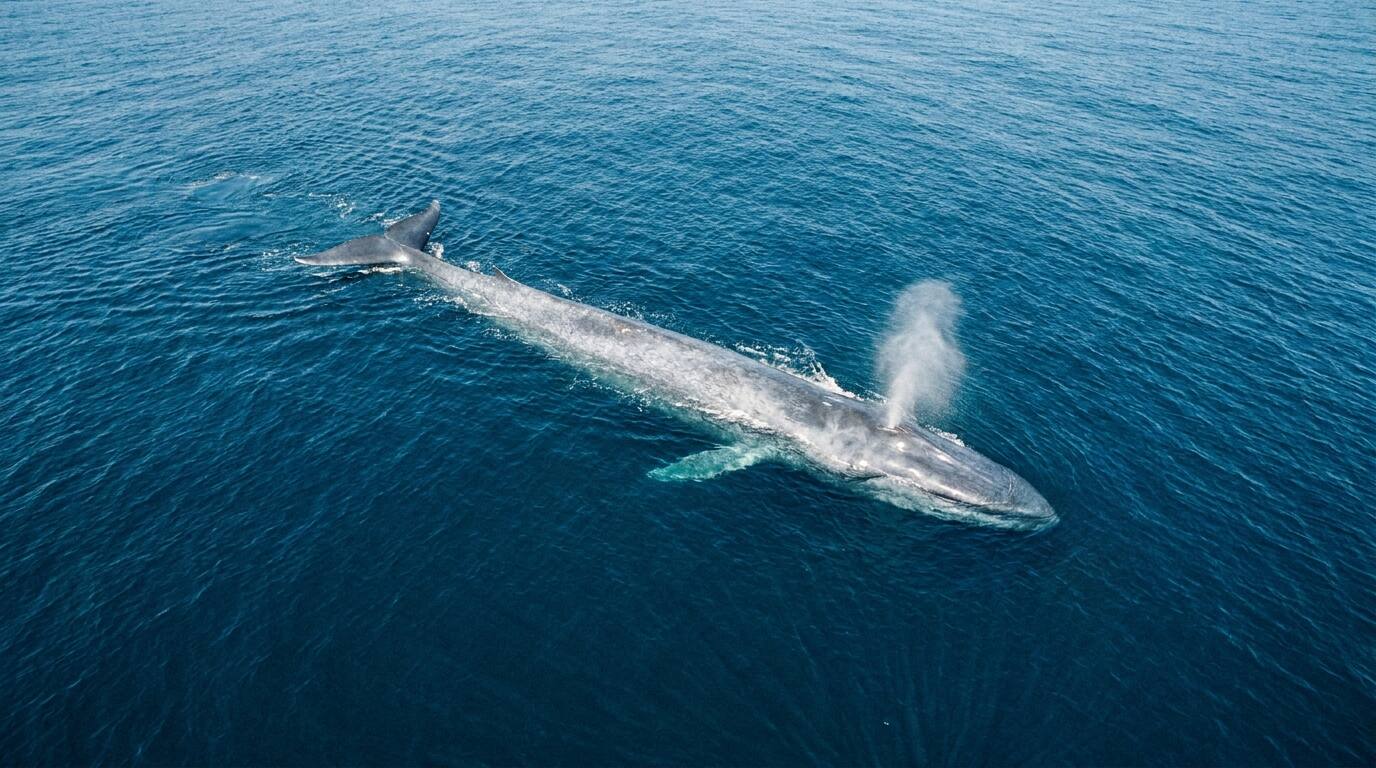
Ocean Giants
Meet the ocean giants, from the blue whale and great whales to whale sharks and orcas. How they reach such size, how they live, and the threats they face.

The ocean holds the largest animals that have ever lived. Not the largest alive today, the largest ever, anywhere, including the age of the dinosaurs. There is something about water that makes giant size possible: it supports the weight of a vast body in a way that air and land cannot, and it opens up food supplies, from tiny drifting plankton to schooling fish, that can sustain an animal the size of a bus or larger.
This page is about those ocean giants. We will look at the great whales, including the blue whale, which is widely accepted as the largest animal known to have existed. We will look at the biggest sharks, from the gentle whale shark to the powerful great white. And we will look at the orca, the largest member of the dolphin family and a giant in its own right. Along the way we will cover how these animals reach such size, how they live in a world that is mostly deep and dark, and the pressures they face today.
A quick word on what counts as a giant. Size can be measured by length or by weight, and the two do not always crown the same animal. The blue whale wins on both. But the whale shark is the largest fish, the great white is among the largest predatory fish, and the orca is the largest dolphin. Each holds a meaningful title. Across our blogs, each of these animals also has a dedicated hub page and a specialist blog that goes much deeper.
The blue whale: the largest animal ever known
The blue whale is the headline act. Reaching lengths well beyond twenty metres and weights that run into many tens of tonnes, it is, as far as the evidence shows, the largest animal that has ever existed. No dinosaur is known to have matched it for body mass. A blue whale’s heart and major blood vessels are famously large, and a newborn calf is already among the biggest animals in the sea.
What makes this size possible is, surprisingly, one of the ocean’s smallest food sources. Blue whales are baleen whales. Instead of teeth they have plates of baleen that act as a sieve, and they feed by taking enormous mouthfuls of water and filtering out vast quantities of krill, the small shrimp-like animals that swarm in cold, productive seas. An animal this large surviving on animals this small only works because krill gather in dense clouds and because the whale’s filter-feeding method is so efficient at scale.
Blue whales were hunted intensively during the era of industrial whaling and their numbers fell drastically. They have been protected for decades and some populations show signs of slow recovery, but the species is still listed as Endangered on the IUCN Red List, and recovery from such deep declines takes a very long time. Our whales hub page covers the great whales as a group, and the writers at lovewhales.org follow individual species and whale conservation in detail.
The great whales beyond the blue
The blue whale may be the largest, but it is far from the only giant among the whales. The fin whale is the second largest animal on Earth and is sometimes called the greyhound of the sea for its speed. Humpback whales, famous for their long fins, their breaching and their complex songs, are giants by any normal measure. Our article on long-distance animal communication looks at how far whale song and other calls carry. The bowhead whale, an Arctic specialist, is thought to be among the longest lived of all mammals, with some individuals reaching well over a century in age.
Then there is the sperm whale, which takes a different path to giant size. It is the largest of the toothed whales, and rather than filtering krill it dives into the deep ocean to hunt squid, including large squid, in cold dark water far below the surface. Sperm whales are among the deepest diving mammals known, holding their breath for long periods as they hunt in a part of the ocean almost no other large air-breathing animal can reach.
These whales show that there is no single recipe for ocean giant. Some sieve the smallest prey, some dive deep for squid, some are fast, some are long lived. What they share is a dependence on a productive ocean and, sadly, a shared history of heavy whaling. Several great whale populations are recovering under protection, but progress varies by species and region.
Whale sharks and basking sharks: gentle filter-feeding giants
The largest fish in the ocean is not a fearsome hunter. It is the whale shark, a slow moving, spotted giant that can reach lengths rivalling a large bus. Despite the size and the name, the whale shark is a filter feeder. It cruises near the surface with its huge mouth open, straining out plankton, fish eggs and small fish. It is harmless to people, and in many places it has become a focus for careful, well managed wildlife tourism.
The basking shark tells a similar story. It is the second largest fish, another enormous filter feeder that swims slowly through cool, plankton-rich waters with its mouth gaping wide. Like the whale shark, it is gentle and poses no danger. Both species are a useful corrective to the idea that big ocean animals are automatically dangerous. The two largest sharks on the planet eat some of the smallest food in the sea.
Their slow lives come with a cost. Filter-feeding sharks grow slowly, mature late and reproduce slowly, which means populations recover poorly once they are depleted. The whale shark is listed as Endangered on the IUCN Red List, and the basking shark is also in a threatened category. Our sharks hub page sets out the variety within the shark family, and welovesharks.org covers these giants and many smaller species in depth.
The great white and the large predatory sharks
Not every giant shark is a filter feeder. The great white shark is among the largest predatory fish alive, a powerful hunter of seals, sea lions and fish. It is the shark of popular imagination, and its reputation has done it real harm, because fear has too often translated into persecution rather than protection.
Other large predatory sharks, including the tiger shark and the bull shark, are giants of warmer coastlines and reefs. As large predators they help regulate the animals beneath them in the food web, which is why their decline matters well beyond the sharks themselves. It is worth keeping the danger in perspective: serious shark incidents involving people are very rare, and the far greater story is the pressure humans place on sharks, not the other way round.
Large predatory sharks face the same threats as much of the shark family: overfishing, accidental capture in fishing gear, and demand for fins. Many shark species sit in threatened categories on the IUCN Red List. We explore the role of sharks as top hunters on our apex predators pillar page.
The orca: the largest dolphin and a giant predator
The orca, or killer whale, belongs in any list of ocean giants. A large male orca can reach impressive lengths and weights, and despite the common name it is not a whale in the everyday sense at all. The orca is the largest member of the dolphin family. It is a giant dolphin: fast, intelligent, socially complex and found in every ocean on Earth.
Orcas hunt in tightly bonded family groups, and different populations specialise in very different prey, from fish to seals to other marine mammals. Their coordinated hunting is among the most sophisticated behaviour known in the ocean. An adult orca has no natural predator, which makes it both a giant and a top hunter, a useful link between this page and the wider story of marine predators.
Because orcas sit at the top of the food web, contaminants that build up at each step concentrate in their bodies, which makes them sensitive to ocean pollution. Some local orca populations are also closely tied to particular prey, so a decline in that prey hits them hard. Our dolphins hub page covers orcas and their many smaller relatives, and welovedolphins.org follows dolphin species and conservation closely.
Life as a giant in a deep ocean
Being huge in the ocean brings real advantages. A large body holds heat well, which matters in cold seas. It allows long distance travel between feeding and breeding grounds. It deters most predators. And it lets an animal take advantage of food sources, such as dense krill swarms, that a smaller animal could not exploit efficiently.
But size also brings demands. Ocean giants need a great deal of food, which ties them to the most productive parts of the sea and to long migrations to reach it. Many giants are also slow to reproduce, with long pregnancies and years of parental care, which means their populations recover slowly from any decline. And the deep ocean they often rely on is a place humans still understand poorly. Sperm whales hunting squid far below the surface remind us how much of the giants’ world remains genuinely unexplored.
Ocean giants also do quiet work for the wider sea. Whales feeding at depth and surfacing to breathe help move nutrients through the water column, and their bodies, when they die and sink, deliver a huge pulse of food to the deep sea floor. Giants are not just passengers in the ocean. They help keep it productive.
The threats facing ocean giants
The giants of the ocean face a set of pressures that overlap from species to species.
- A history of industrial whaling that drove several great whale populations to a fraction of their former numbers, with recovery still incomplete.
- Overfishing and accidental capture in fishing gear, which is a serious threat to large sharks in particular.
- Collisions with ships, which injure and kill large whales along busy shipping routes.
- Entanglement in fishing lines and discarded gear, a danger for whales, sharks and dolphins alike.
- Ocean noise and pollution, including contaminants that build up in top predators such as orcas.
- Climate change, which shifts the distribution of prey such as krill and small fish that giants depend on.
There is genuine hope in the picture too. The end of large scale commercial whaling for most species, protected areas, shipping speed limits in sensitive zones and better fishing practices have all helped. Some whale populations are recovering, and well managed wildlife tourism around whale sharks and whales has given these animals real economic value alive. We bring these conservation themes together on our wildlife conservation pillar page, and the changing distribution of giants is part of the story on our animal migration pillar page.
Why ocean giants matter
It is easy to be impressed by the sheer scale of a blue whale or a whale shark, and that wonder is worth holding on to. But ocean giants are more than spectacles. They are part of how the ocean works. They move nutrients, they regulate prey, they connect distant parts of the sea through their migrations, and as living animals they support a careful, low impact tourism that gives coastal communities a reason to protect them.
To follow these animals more closely, the hub pages for whales, sharks and dolphins are the place to begin, with deeper coverage at lovewhales.org, welovesharks.org and welovedolphins.org. The ocean’s giants are still here, and with care they can stay here.
Common questions about ocean giants
What is the largest animal in the ocean?
The blue whale. It is widely accepted as the largest animal known to have existed, larger in body mass than any dinosaur, and it survives by filtering enormous quantities of tiny krill. You can read more on our whales hub page.
What is the largest fish?
The whale shark. It is a gentle filter feeder, not a hunter, and it strains plankton and small fish from the water. The basking shark is the second largest fish and is also a harmless filter feeder. Both are covered at welovesharks.org.
Is the orca a whale or a dolphin?
The orca is a dolphin. It is the largest member of the dolphin family, despite the common name “killer whale”. It is still a giant of the ocean and one of its top predators. See our dolphins hub page for more.
How can such huge animals live on tiny food?
Baleen whales and filter-feeding sharks feed on small animals such as krill and plankton, but those animals gather in dense swarms, and filter feeding lets a giant collect huge quantities in a single mouthful. At that scale, small prey can sustain an enormous body.
Are ocean giants endangered?
Several are. The blue whale is listed as Endangered on the IUCN Red List, the whale shark is also Endangered, and the basking shark is in a threatened category. Some great whale populations are slowly recovering under decades of protection, but recovery from heavy whaling is a long process.
Latest from our blogs

How Wolves Move in Snow: Feet, Footload and Snowfall
Wolves spread their toes on snow, but a study of collared wolves in Alberta found falling snow slowed packs more than deep snow did. The post How Wolves Move in Snow: Feet,...
Read on We Love Wolves
Red Panda Cubs: Birth, Den Life and Weaning Explained
How a red panda cub grows from a 100 gram newborn in a tree den to a young adult, with the timing from two zoos and a recent genetics study. The post...
Read on We Love Pandas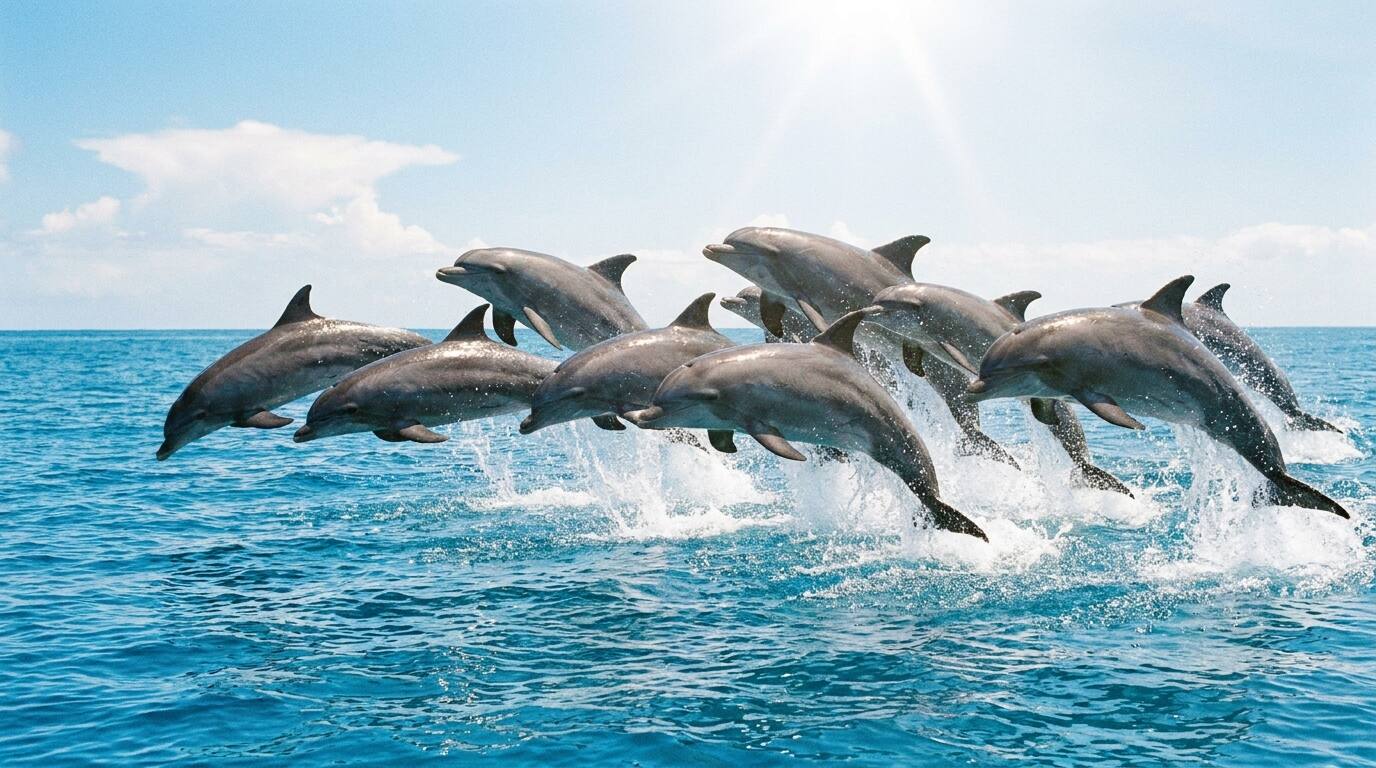
Dolphin Senses: Taste, Smell and Electric Sense Explained
Dolphins have lost smell and most of their taste, yet they can recognise a friend by urine and sense weak electric fields. Here is what scientists found. The post Dolphin Senses: Taste,...
Read on We Love Dolphins
Epaulette Shark: The Reef Shark That Walks and Shrugs Off Low Oxygen
The epaulette shark walks on its fins and survives night-time oxygen crashes in Great Barrier Reef tide pools. Here is what studies found, and what it does not. The post Epaulette Shark:...
Read on We Love Sharks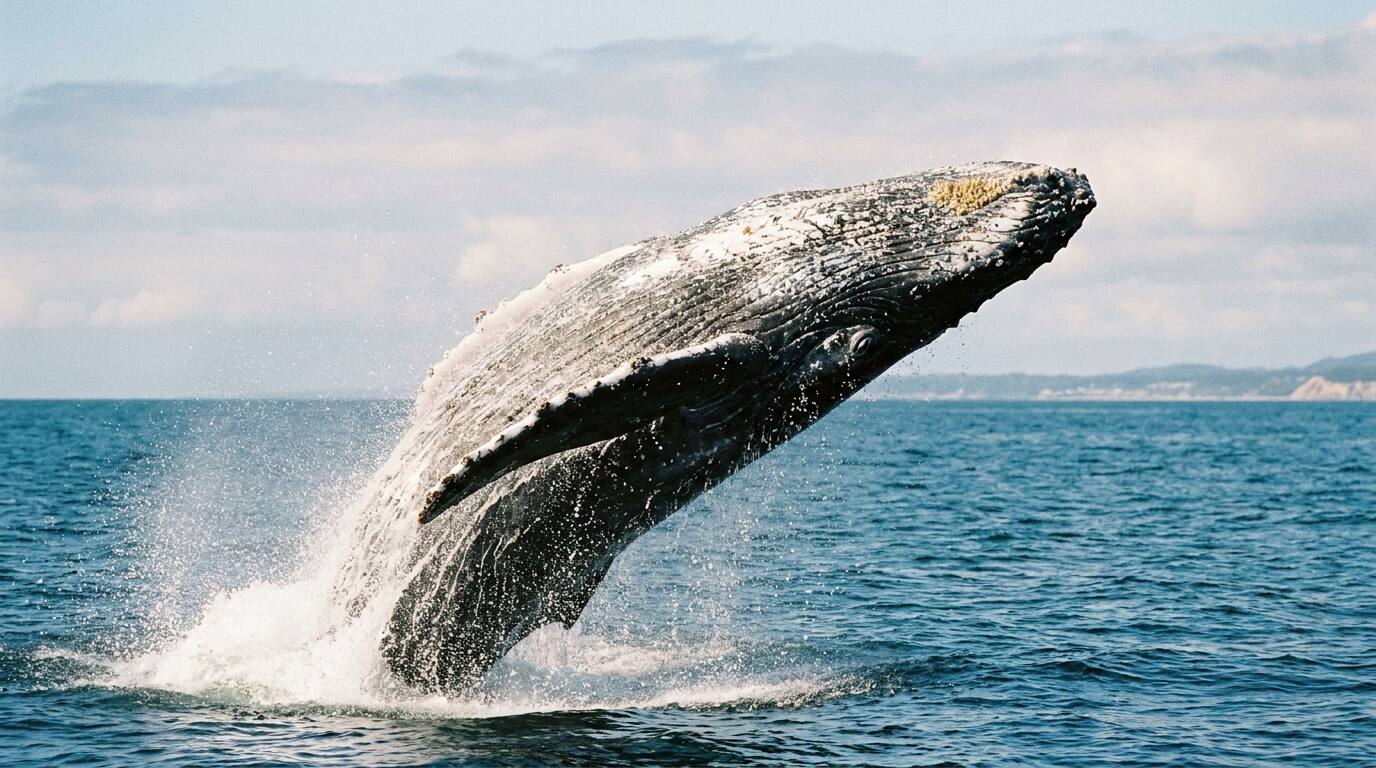
How Baleen Whales Feed: Gulps, Skims and Bubble Nets
Baleen whales have no teeth. They use keratin plates as a sieve, and each species has its own way to fill it. The post How Baleen Whales Feed: Gulps, Skims and Bubble...
Read on Love Whales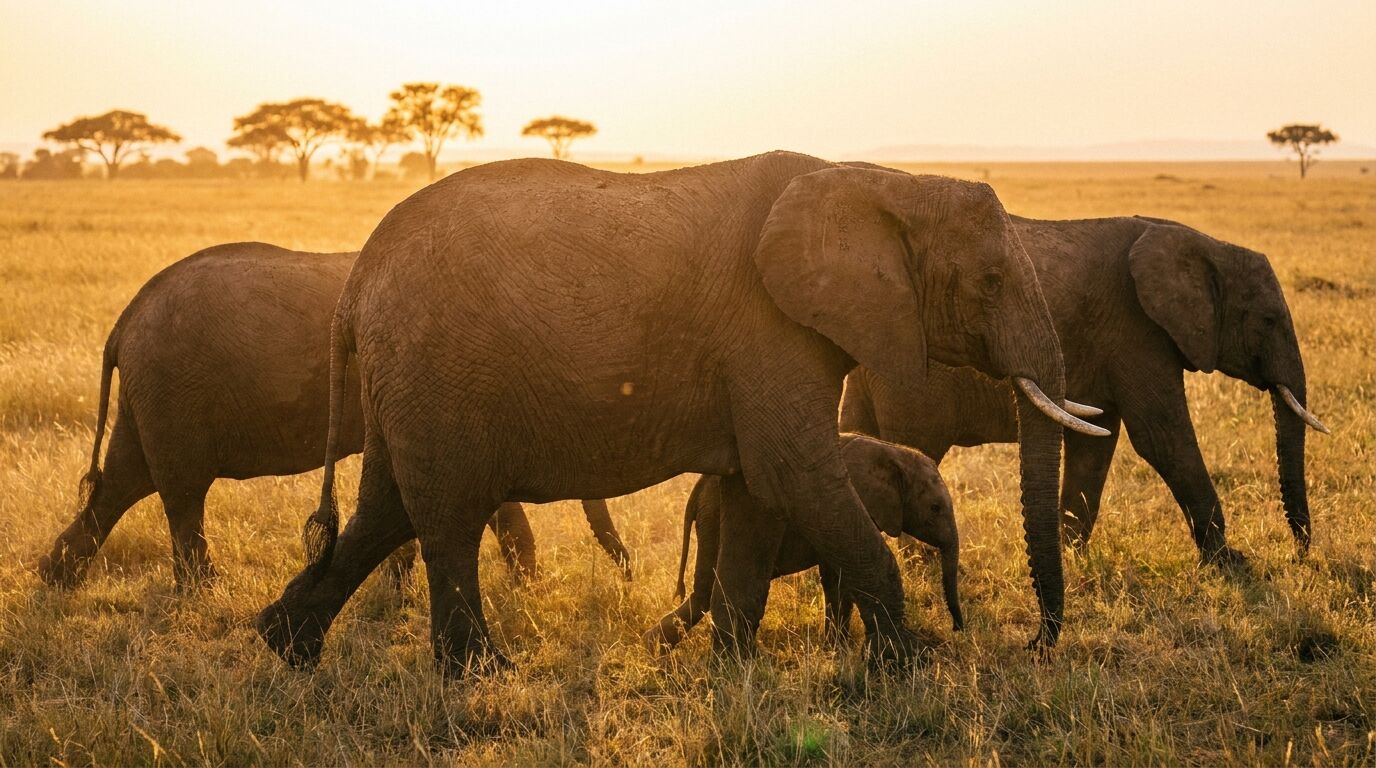
Can Elephants Run? What Gait Measurements Show
Elephants never leave the ground at once, yet they bounce on springy legs at speed. Here is what the measurements say about their gait and top pace. The post Can Elephants Run?...
Read on Love Elephants
How Tigers Mate: Oestrus, Courtship and Timing
A tigress is receptive for only a few days at a time. Here is how tigers signal, court, mate and time a litter. The post How Tigers Mate: Oestrus, Courtship and Timing...
Read on We Love Tigers
Bear Tracks: How to Read Black Bear and Grizzly Prints
How to read a bear track: five toes, front and rear print sizes, the toe line and claw marks, and what a print cannot tell you. The post Bear Tracks: How to...
Read on Love BearsView all posts
Every recent article from all eight We Love Wildlife blogs in one live feed.
See every post