
Wildlife Conservation
An honest guide to wildlife conservation: protected areas, law, captive breeding, community-led work, rewilding, and the giant panda success story.

“Wildlife conservation” is a phrase that sounds simple and is not. To most people it means saving animals, and that is true as far as it goes. But conservation is not a single action. It is a toolkit, and the tools are very different from one another: drawing a line on a map and protecting the land inside it, writing and then actually enforcing a law, breeding animals in captivity, handing real power to the communities who live alongside wildlife, and sometimes putting a missing species back into a landscape it had been removed from.
Each of those tools works in some situations and fails in others. Conservation done well is the art of matching the right tool to the right problem, and then funding it for long enough to see results. Done badly, it is a press release attached to a project that quietly runs out of money two years later.
This page walks through what conservation actually involves, using real examples from the animals our blogs cover. It is deliberately honest about the failures as well as the wins, because a guide that only tells the success stories teaches you nothing about why some efforts collapse. The wins are real. So are the limits.
Protected areas: drawing the line
The oldest tool in conservation is the protected area: a national park, a nature reserve, a marine sanctuary. The logic is straightforward. If you fence off habitat from the worst pressures, logging, mining, fishing, development, the wildlife inside gets room to recover. For many species this works, and works well.
It is also where the giant panda’s recovery began. China built a growing network of reserves across the bamboo mountains where pandas live, and that protected core gave the species somewhere stable to exist. Our pandas hub page covers how those reserves are organised, and welovepandas.org follows them in detail.
But a protected area only works if it is more than a line on a map. Two problems recur. The first is the “paper park”: an area that is officially protected but has no rangers, no budget, and no real enforcement, so poaching and encroachment carry on inside it as if the designation did not exist. The second is fragmentation. A reserve that is too small, or cut off from other habitat by roads and farmland, can trap a population in a patch too tiny to stay healthy. Forest elephants, covered on our elephants hub page, show this clearly: protecting isolated forest blocks helps less than protecting the corridors between them. At sea the same idea applies. Marine protected areas help reef and coastal species, but open-ocean animals such as many sharks (see our sharks hub page and welovesharks.org) range far beyond any one sanctuary, which is why they need fishing rules that follow them, not just a fenced patch of sea.
Law and enforcement: rules are only half the job
The second tool is legislation. Conservation law operates at every level, from international agreements that restrict trade in endangered species, to national endangered-species acts, to local fishing quotas and hunting bans. The international ivory trade restrictions are a well-known example, and they have helped reduce the legal market that once drove elephant poaching.
The hard truth about law is that writing it is the easy half. Enforcement is the half that decides whether it means anything. A ban on a wildlife product only works if customs officers, courts and rangers have the funding and the will to act on it. The vaquita, the tiny porpoise of the northern Gulf of California, is the painful case study. It is protected, the net that kills it is banned, and yet the species has continued to decline because the illegal fishery that drowns the animals has not been stopped on the water. The law existed. The enforcement did not match it. Our dolphins hub page and welovedolphins.org follow the vaquita story, which is conservation’s clearest reminder that a rule unenforced is barely a rule at all.
Whaling tells the opposite story. A broad halt to commercial whaling, agreed and largely upheld internationally, gave the great whales decades of relief. Humpback whale populations have recovered strongly enough that the species overall is now in a far better position than it was, though some distinct populations are still treated as at risk. Our whales hub page and lovewhales.org cover that recovery. The difference between the whale story and the vaquita story is not the existence of a rule. It is whether the rule was actually made to bite.
Captive breeding: a lifeline, not a destination
When a wild population falls dangerously low, captive breeding can act as an insurance policy. Animals are bred in zoos or dedicated centres, the captive population is kept genetically healthy, and the goal, where it is possible, is eventually to release animals back into the wild.
The red wolf is alive today largely because of captive breeding. Native to the southeastern United States and one of the most endangered wild canids on Earth, it was reduced to a handful of animals. A captive-breeding programme prevented its outright extinction and is the source of the small wild population that exists now. Our wolves hub page and welovewolves.org follow the red wolf closely.
Captive breeding also has clear limits, and it is fair to be honest about them. It is expensive. It can only ever hold a small fraction of a wild population. Animals bred over many generations in captivity can lose the behaviours they need to survive outside. And, most importantly, captive breeding does nothing about the original threat. If a species is in trouble because its habitat is gone or its waters are full of nets, breeding more animals just gives you more animals with nowhere safe to go. It is best understood as a lifeline that buys time, not as a solution in itself. The panda’s breeding programme worked precisely because it ran alongside habitat protection, not instead of it.
Community-led conservation: the people who share the land
For a long time conservation was something done to a landscape by outsiders, and to the people who lived there it could feel like land being taken away. That model has steadily given way to a better one. Community-led conservation starts from the fact that wildlife mostly survives in places where people also live and make a living, and that those people have to see a benefit, not just a cost, from the animals next door.
Elephants are the textbook case of why this matters. An elephant that raids a smallholder’s crops is, to that farmer, a serious financial loss, and resentment of wildlife is a rational response to losing a harvest. Conservation that ignores this fails. Conservation that addresses it, through compensation schemes, through elephant-deterrent measures, through giving communities a share of tourism income and a genuine say in management, turns the local population from an opponent into a partner. Our elephants hub page and loveelephants.org cover this human side of elephant conservation, which is often the part that decides whether a project lasts.
The same principle runs through bear and wolf conservation in farming and ranching country. Predators that take livestock cost real money, and conservation that does not deal honestly with that cost will lose local support and, with it, the animals. Our bears hub page and lovebears.org follow coexistence work, from livestock-protection methods to compensation funds. Conservation, in the end, is as much about people as it is about animals.
Rewilding: putting the missing piece back
Rewilding goes a step further than protecting what remains. It tries to restore what was lost, often by returning a species that had been removed from a landscape so that the ecosystem can function as it once did.
The most famous example is the reintroduction of grey wolves to Yellowstone National Park in the mid-1990s. Wolves had been deliberately eliminated from the park decades earlier, and their absence had let elk graze with little pressure, which in turn changed the vegetation along rivers and streams. Bringing wolves back set off a chain of effects through the food web. The exact size of every downstream change is still debated by ecologists, and it is right to be careful rather than to retell it as a tidy fable. But the core point holds: a top predator is not an optional extra in an ecosystem, and removing one leaves a gap that the system feels. Our wolves hub page and welovewolves.org cover the Yellowstone story and the wider return of wolves to parts of Europe, and the role of top predators is explored further on our apex predators pillar.
Rewilding is not simple and not always welcome. Returning a large predator to a landscape means returning it to the people who farm and ranch there, which loops straight back to the community question above. Rewilding done without local agreement tends to fail or to be quietly undone. Done with it, it is one of the most ambitious things conservation can attempt: not just slowing a loss, but reversing one.
The giant panda: a success story, read carefully
If conservation has a single signature success, it is the giant panda. In 2016 the IUCN downlisted the panda from Endangered to Vulnerable, a formal acknowledgement that its outlook had genuinely improved. That did not happen by luck, and it did not happen through one clever tactic. It happened because several tools were used together and funded for a long time: a growing network of forest reserves, real protection of the bamboo habitat the panda depends on, a crackdown on poaching, and a captive-breeding programme that eventually supported the wild population rather than replacing it. A downlisting like this rests on population estimates, and our guide to how scientists count wild animals explains where those numbers come from, including the DNA surveys used for pandas.
The panda story is worth reading carefully precisely because it is a success. Vulnerable is still a threatened category, the panda’s forest remains fragmented into separate patches, and a warming climate puts its bamboo at risk. The job is not finished. But the trend reversed, and it reversed because the effort was sustained, well resourced, and combined. That is the real lesson of the panda, and the reason it belongs at the heart of any honest page about conservation. Our pandas hub page and welovepandas.org tell the full version.
What conservation teaches when you look at the whole picture
Lay the examples side by side and a pattern appears. The pattern is not “conservation works” or “conservation fails”. It is more useful than that.
- No single tool is enough on its own. The panda recovered because reserves, law, anti-poaching work and breeding ran together.
- A rule means nothing without enforcement. The whale recovery and the vaquita decline both had a rule. Only one had teeth.
- People are part of the ecosystem. Conservation that ignores the farmers, fishers and communities who share the land tends to lose its footing.
- Time is the quiet ingredient. Almost every success here took decades. Projects funded for two years rarely show much.
- Outcomes are mixed, and that is honest, not gloomy. Humpback whales and giant pandas climbed back. The vaquita and the North Atlantic right whale are still in serious danger. Both facts are true at once.
If you want to follow conservation as it actually unfolds, the best route is the specialist blog for the animal you care about most. Each one covers the slow, unglamorous, genuinely important work in far more detail than an overview can. The hub pages on this site, from sharks to bears, are the doorways into that deeper coverage.
Common questions about wildlife conservation
Does wildlife conservation actually work?
Sometimes very well, sometimes not at all, and the difference is usually in the detail. The giant panda was downlisted to Vulnerable in 2016 and humpback whale populations have recovered strongly, both after sustained, well-funded effort. The vaquita has continued to decline despite legal protection, because the enforcement never matched the law. Conservation works when the right tools are combined and funded for long enough.
What is rewilding?
Rewilding tries to restore a landscape, often by returning a species that had been removed from it. The reintroduction of grey wolves to Yellowstone National Park in the mid-1990s is the best-known example. It is more ambitious than simply protecting what remains, because it aims to reverse a loss rather than slow one, and it usually depends on agreement from the people who live nearby.
Why is community involvement so important in conservation?
Most wildlife survives in places where people also live and earn a living. If those people only experience the cost of wildlife, such as elephants raiding crops or predators taking livestock, resentment is a rational response and conservation loses local support. Community-led conservation gives local people a real benefit and a genuine say, which turns neighbours into partners rather than opponents.
Is captive breeding enough to save a species?
No. Captive breeding is a lifeline that can stop a species disappearing entirely, as it did for the red wolf, but it does nothing about the original threat. If habitat loss or fishing nets caused the decline, breeding more animals just produces animals with nowhere safe to go. It works best alongside habitat protection, not as a substitute for it.
How can an ordinary person help wildlife conservation?
Support established conservation organisations with steady funding rather than one-off reactions to the latest crisis, be a careful consumer of seafood to reduce bycatch pressure on sharks and porpoises, never buy wildlife products such as ivory, share accurate information instead of fear, and choose responsible operators if you travel to see wildlife. The big levers are policy, but informed individual choices still add up.
Latest from our blogs

How Wolves Move in Snow: Feet, Footload and Snowfall
Wolves spread their toes on snow, but a study of collared wolves in Alberta found falling snow slowed packs more than deep snow did. The post How Wolves Move in Snow: Feet,...
Read on We Love Wolves
Red Panda Cubs: Birth, Den Life and Weaning Explained
How a red panda cub grows from a 100 gram newborn in a tree den to a young adult, with the timing from two zoos and a recent genetics study. The post...
Read on We Love Pandas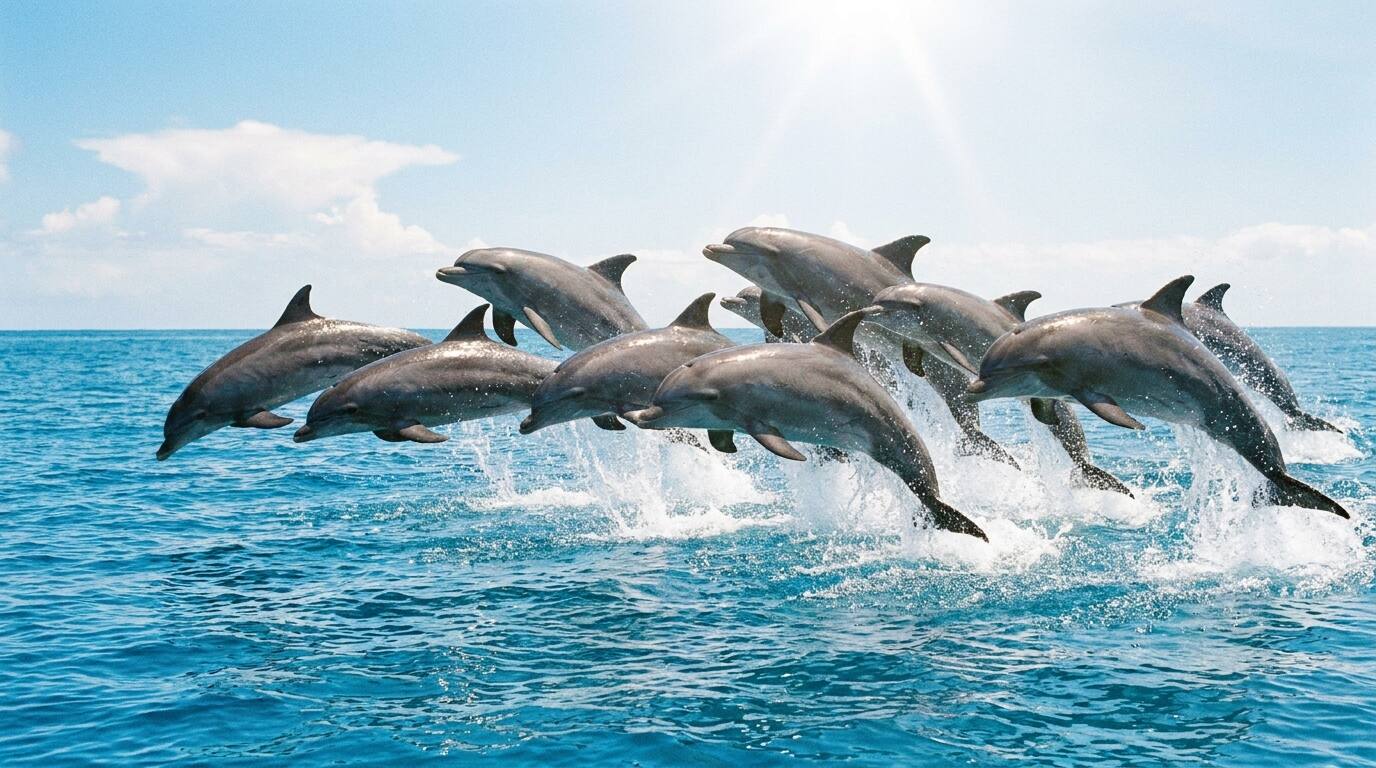
Dolphin Senses: Taste, Smell and Electric Sense Explained
Dolphins have lost smell and most of their taste, yet they can recognise a friend by urine and sense weak electric fields. Here is what scientists found. The post Dolphin Senses: Taste,...
Read on We Love Dolphins
Epaulette Shark: The Reef Shark That Walks and Shrugs Off Low Oxygen
The epaulette shark walks on its fins and survives night-time oxygen crashes in Great Barrier Reef tide pools. Here is what studies found, and what it does not. The post Epaulette Shark:...
Read on We Love Sharks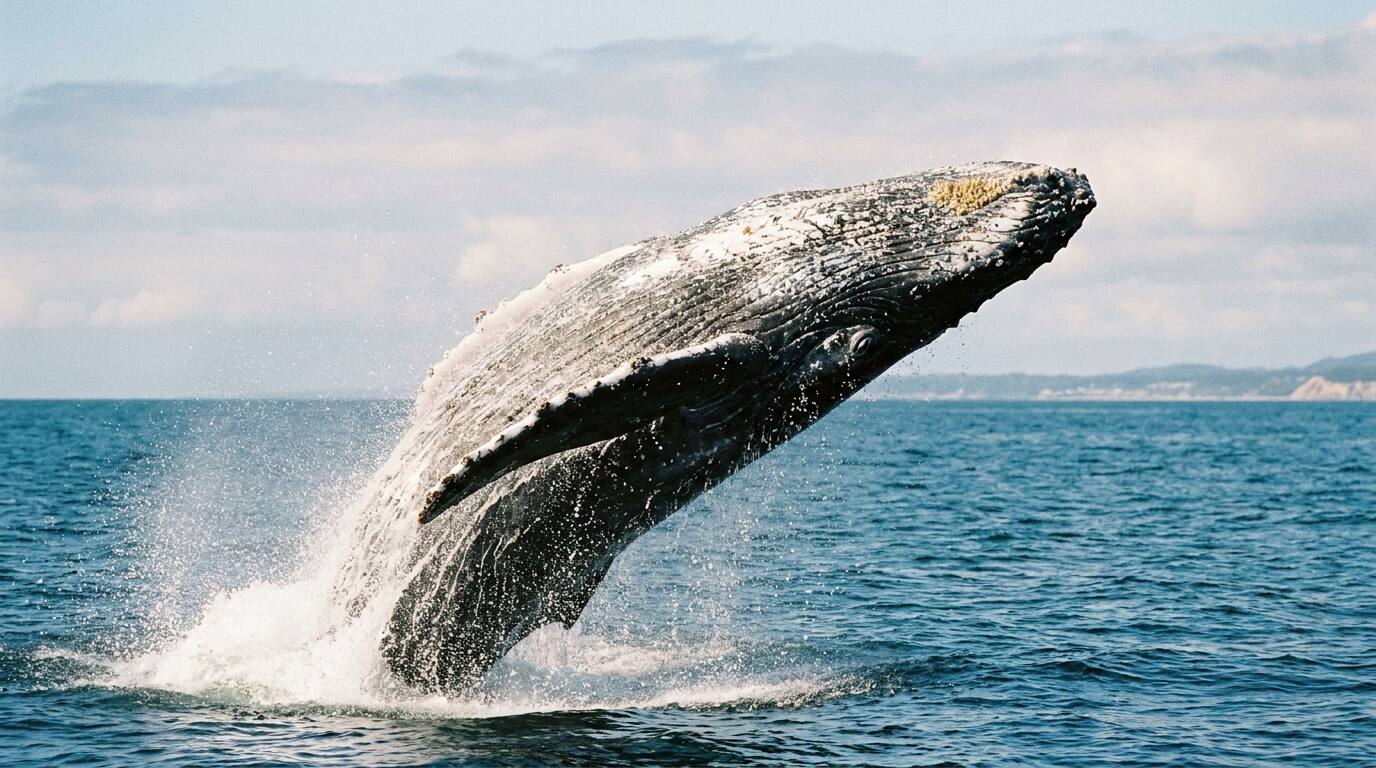
How Baleen Whales Feed: Gulps, Skims and Bubble Nets
Baleen whales have no teeth. They use keratin plates as a sieve, and each species has its own way to fill it. The post How Baleen Whales Feed: Gulps, Skims and Bubble...
Read on Love Whales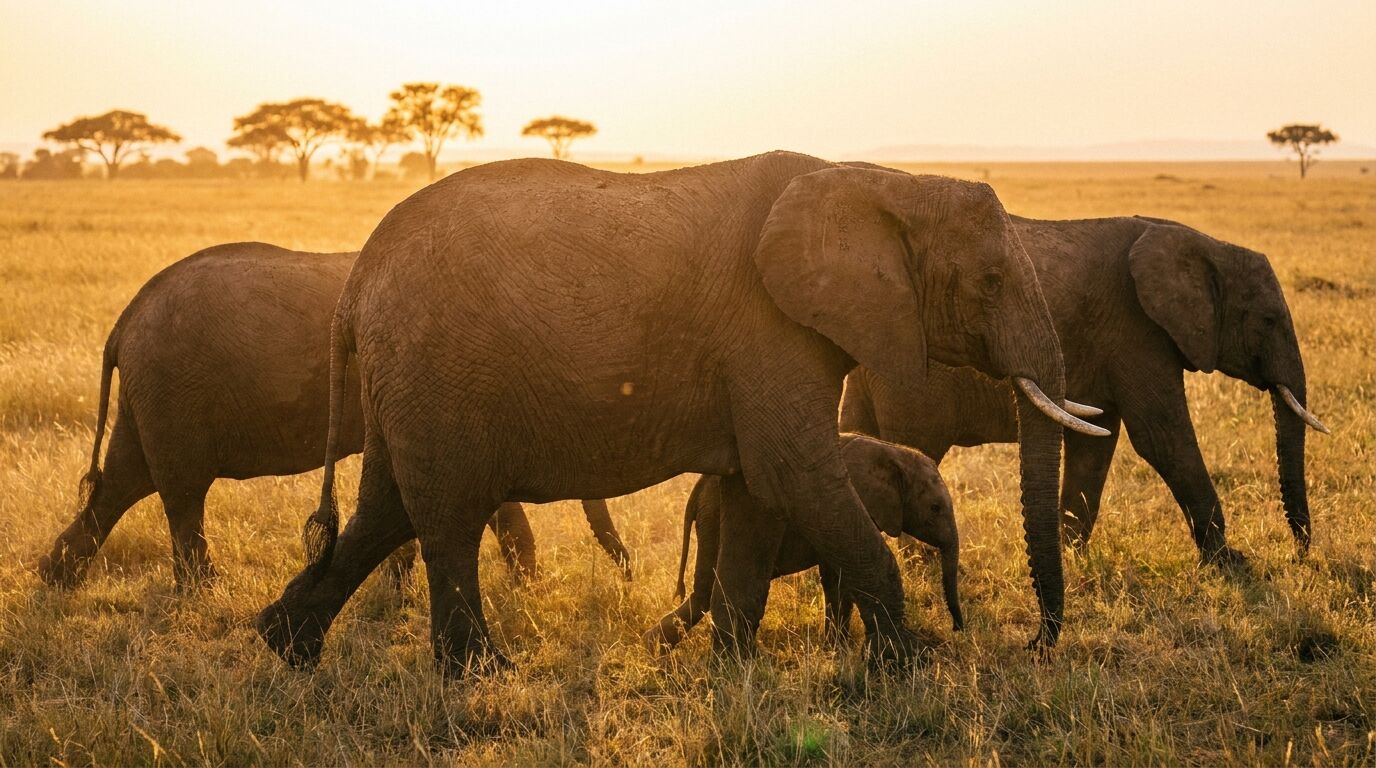
Can Elephants Run? What Gait Measurements Show
Elephants never leave the ground at once, yet they bounce on springy legs at speed. Here is what the measurements say about their gait and top pace. The post Can Elephants Run?...
Read on Love Elephants
How Tigers Mate: Oestrus, Courtship and Timing
A tigress is receptive for only a few days at a time. Here is how tigers signal, court, mate and time a litter. The post How Tigers Mate: Oestrus, Courtship and Timing...
Read on We Love Tigers
Bear Tracks: How to Read Black Bear and Grizzly Prints
How to read a bear track: five toes, front and rear print sizes, the toe line and claw marks, and what a print cannot tell you. The post Bear Tracks: How to...
Read on Love BearsView all posts
Every recent article from all eight We Love Wildlife blogs in one live feed.
See every post