

Animal Migration
Why animals migrate and how they navigate, with real examples from whales, elephants, sharks and dolphins, plus the threats facing migratory species.

Animal migration is one of the great recurring events of the natural world. Across land, sea and air, animals move with the seasons, sometimes over distances that are hard to imagine, following food, chasing safe breeding grounds, or simply staying ahead of the cold. It is not wandering. Migration is purposeful, often timed with remarkable precision, and in many cases repeated faithfully year after year along routes that have been used for generations.
This page looks at why animals migrate and how they do it, using real examples. We will follow humpback and grey whales on some of the longest journeys made by any mammal. We will look at how elephants move across the landscape with the rains. We will look at the movements of sharks and dolphins through the ocean. And we will touch briefly on a few famous migrations beyond our own blogs, simply for context, because no honest account of migration can leave out the wildebeest or the Arctic tern.
Migration also matters for a practical reason. An animal that moves across huge distances depends on many places staying healthy, not just one. That makes migratory species a useful test of how well we are looking after the planet as a whole, and it makes their conservation a genuinely international job. Each animal group below has a dedicated hub page here and a specialist blog covering it in depth.
Why animals migrate
Migration almost always comes down to a few basic pressures. The most common is food. Many parts of the world are rich in food for only part of the year, so animals move to follow the seasons of plenty. Cold polar and temperate seas, for example, can be enormously productive in summer and far less so in winter, and animals that feed there move on when the season turns.
The second great driver is breeding. Many animals feed in one place and breed in another, choosing calving or nesting grounds that are safer, warmer or otherwise better suited to raising young, even if those grounds offer little to eat. The result is a regular shuttle between a feeding ground and a breeding ground. Water and weather matter too: in dry regions animals move to follow the rains and the fresh growth and surface water the rains bring. Our article on why animals migrate and disperse follows these drivers through grey whales, humpbacks and elephants, and explains dispersal, when a young wolf leaves home for good.
How animals find their way is still not fully understood, and it is one of the most fascinating questions in biology. Different species are thought to use a mix of cues: the position of the sun and stars, the Earth’s magnetic field, ocean currents, coastlines, smell, memory of the route and, for social animals, the knowledge held by older, experienced individuals. Honest science here means admitting that for many species we do not yet have the full picture.
Whale migration: humpbacks and grey whales
Some of the longest migrations of any mammal belong to the great whales, and the humpback whale is the classic example. Humpbacks feed in cold, productive waters at high latitudes during the rich summer months, building up reserves of energy. Then they travel towards warmer waters closer to the tropics to breed and to give birth, where calves can be born into gentler conditions. Months later they return. This pattern of feeding cold and breeding warm produces a round trip that ranks among the longest regular journeys made by any mammal.
The grey whale is another long distance traveller, famous for hugging the coastline on a journey between cold northern feeding grounds and warmer, sheltered lagoons where calves are born. Travelling close to shore makes grey whales one of the more watchable migratory whales, and their movement has become a seasonal event for coastal communities along their route.
These long journeys come with risk. Migrating whales must cross busy shipping lanes, where collisions with vessels are a danger, and they can become entangled in fishing gear along the way. Because their route passes through many countries and stretches of open ocean, protecting them requires international cooperation. Our whales hub page covers the great whales and their journeys, and the team at lovewhales.org follows whale migration and conservation closely.
Elephants and seasonal movement
Elephants are migratory in a different sense from whales. They do not all make a single fixed long distance journey, but many elephant populations move seasonally across large home ranges, tracking the rains and the food and water those rains provide. In the dry season, herds may concentrate near reliable water. When the rains come and fresh growth appears, they spread out across the landscape again.
What stands out about elephant movement is the role of memory. Elephant herds are led by older females, and the knowledge of where to find water in a hard year, or which route is safest, is held in those experienced animals and passed through the herd. This is a reminder that migration is not always pure instinct. For long lived social animals, it can be learned, remembered and taught.
Elephant movement faces a very modern problem: the landscape is being cut up. Roads, farms, fences and settlements increasingly block the traditional paths between feeding areas and water, which raises the chance of conflict with people and isolates populations. Protecting wildlife corridors, the connecting strips of habitat that let elephants move safely, has become a central conservation goal. Our elephants hub page sets out the wider picture, and loveelephants.org covers elephant behaviour and corridor projects in detail.
Sharks on the move
Sharks are far more mobile than their reputation as fixed reef residents suggests. Many species undertake long, often seasonal movements through the ocean, and modern tracking, in which individual sharks carry tags that report their position, has revealed journeys that surprised even the researchers studying them. Some large sharks cross entire ocean basins.
The reasons echo the general drivers of migration. Sharks move to follow prey, to reach warmer or cooler water as the seasons change, and to find areas suited to mating or to giving birth. Some species are thought to return repeatedly to particular pupping grounds, which makes those specific places important to protect. Gentle giants follow food too: whale sharks gather seasonally where plankton and fish eggs are abundant, then move on when the feast fades.
Wide ranging movement makes sharks hard to protect, because a shark safe inside one country’s waters may be caught the moment it crosses into another’s. This is one reason many shark species are threatened on the IUCN Red List, and one reason shark conservation has to be international. Our sharks hub page explains shark diversity and conservation, and welovesharks.org follows tracking studies and protection campaigns.
Dolphins and the movement of ocean life
Dolphins are not migratory in the strict, fixed route sense that grey whales are, but many dolphin populations move considerable distances as they follow shifting fish stocks through the ocean. Where the fish go, the dolphins tend to follow, and that can mean ranging widely as prey moves with seasons, currents and water temperature.
Orcas are a striking example. Different orca populations have very different habits: some range over enormous areas, while others are more local and tightly tied to a particular prey, such as a run of salmon. When that prey moves or declines, the orcas feel it directly. This shows how the movements of predator and prey are locked together, and how a problem at one link in the chain travels along it.
The wider lesson is that ocean migration is a connected web. Whales, sharks, dolphins and the fish and krill they depend on are all moving, and their journeys overlap. A change to one, whether from overfishing, warming water or shifting currents, ripples out to the others. Our dolphins hub page covers dolphins and orcas, with deeper coverage at welovedolphins.org.
Famous migrations beyond our blogs
To put these journeys in context, it is worth naming a few of the most famous migrations in the wider natural world, even though those animals fall outside our own blogs.
- The great wildebeest migration of East Africa, in which huge herds move in a roughly circular route across the plains, following seasonal rains and fresh grass, with zebras and gazelles travelling alongside them.
- The Arctic tern, a small seabird that travels between the far north and the far south each year, undertaking what is widely regarded as one of the longest annual migrations of any animal.
- The monarch butterfly of North America, whose multi-generational journey is famous for being completed by insects that have never made the trip before.
- Salmon, which return from the sea to the rivers where they hatched in order to spawn, a journey that also feeds bears, birds and entire forest ecosystems along the way.
These examples sit alongside the whale, elephant and shark journeys to make a single point: migration is everywhere, it takes wildly different forms, and it is one of the clearest signs of a living planet in motion. The salmon example is also a neat reminder that one animal’s migration feeds another’s life, since salmon runs are a key food source for bears, a connection we explore on our bears hub page and that the writers at lovebears.org cover in detail.
The threats facing migratory animals
Migratory animals are exposed to a particular kind of risk. Because they depend on a whole chain of places, a problem at any single link can break the journey.
- Habitat loss and fragmentation, which cuts the corridors that connect feeding and breeding grounds. This is a major issue for elephants in particular.
- Barriers in the path, from fences and roads on land to dams in rivers, which can block traditional routes.
- Hazards along the route, such as ship collisions and entanglement for migrating whales, and fishing pressure for sharks crossing between jurisdictions.
- Climate change, which shifts the timing of seasons and the location of food, so that animals can arrive at a place to find the food has already peaked or moved.
- The cross border nature of migration, which means an animal protected in one country can be unprotected the moment it crosses into another.
The response has to match the scale of the journey. International agreements on migratory species, networks of protected areas spaced along a route, wildlife corridors that keep habitat connected, and shipping measures in sensitive seas all aim to protect the whole journey rather than a single point on it. We bring these conservation themes together on our wildlife conservation pillar page, and the animals on the move feature throughout our endangered animals pillar page.
Why migration matters
Migration ties the world together. A humpback whale links a cold feeding ground to a warm breeding bay. An elephant herd links a dry season refuge to a green wet season range. A shark links one ocean basin to another. Migratory animals carry energy and nutrients with them, they connect ecosystems that would otherwise be separate, and their journeys are part of what makes the living world a single connected system rather than a set of isolated pieces.
That connectedness is also why migration is worth protecting. To follow these animals more closely, the hub pages for whales, elephants, sharks and dolphins are the place to start, with deeper coverage at lovewhales.org, loveelephants.org and welovesharks.org. Keep the journey whole and the animals can keep making it.
Common questions about animal migration
Why do animals migrate?
Mostly to follow food and to reach good breeding grounds. Many parts of the world are rich in food for only part of the year, so animals move with the seasons, and many species feed in one place but breed in another that is safer or warmer for raising young.
How do animals know where to go?
Different species use different cues, and the full picture is still being researched. Animals are thought to use the sun and stars, the Earth’s magnetic field, currents and coastlines, smell, and memory. For social animals such as elephants, older experienced individuals carry knowledge of the route.
Which whale makes the longest migration?
Humpback whales make one of the longest regular migrations of any mammal, travelling between cold high-latitude feeding grounds and warmer waters where they breed and give birth. Grey whales are another famous long distance migrant. See our whales hub page for more.
Do sharks migrate?
Yes. Many shark species undertake long seasonal movements, and tracking studies have shown some large sharks crossing entire ocean basins as they follow prey or move to suitable water for mating and pupping. This is covered in depth at welovesharks.org.
Why is migration risky for animals?
Because a migratory animal depends on a chain of places staying healthy. Habitat loss, barriers such as roads and dams, hazards like ship strikes, climate change shifting the timing of seasons, and the fact that protection stops at national borders can all break the journey at a single weak link.
Latest from our blogs

How Wolves Move in Snow: Feet, Footload and Snowfall
Wolves spread their toes on snow, but a study of collared wolves in Alberta found falling snow slowed packs more than deep snow did. The post How Wolves Move in Snow: Feet,...
Read on We Love Wolves
Red Panda Cubs: Birth, Den Life and Weaning Explained
How a red panda cub grows from a 100 gram newborn in a tree den to a young adult, with the timing from two zoos and a recent genetics study. The post...
Read on We Love Pandas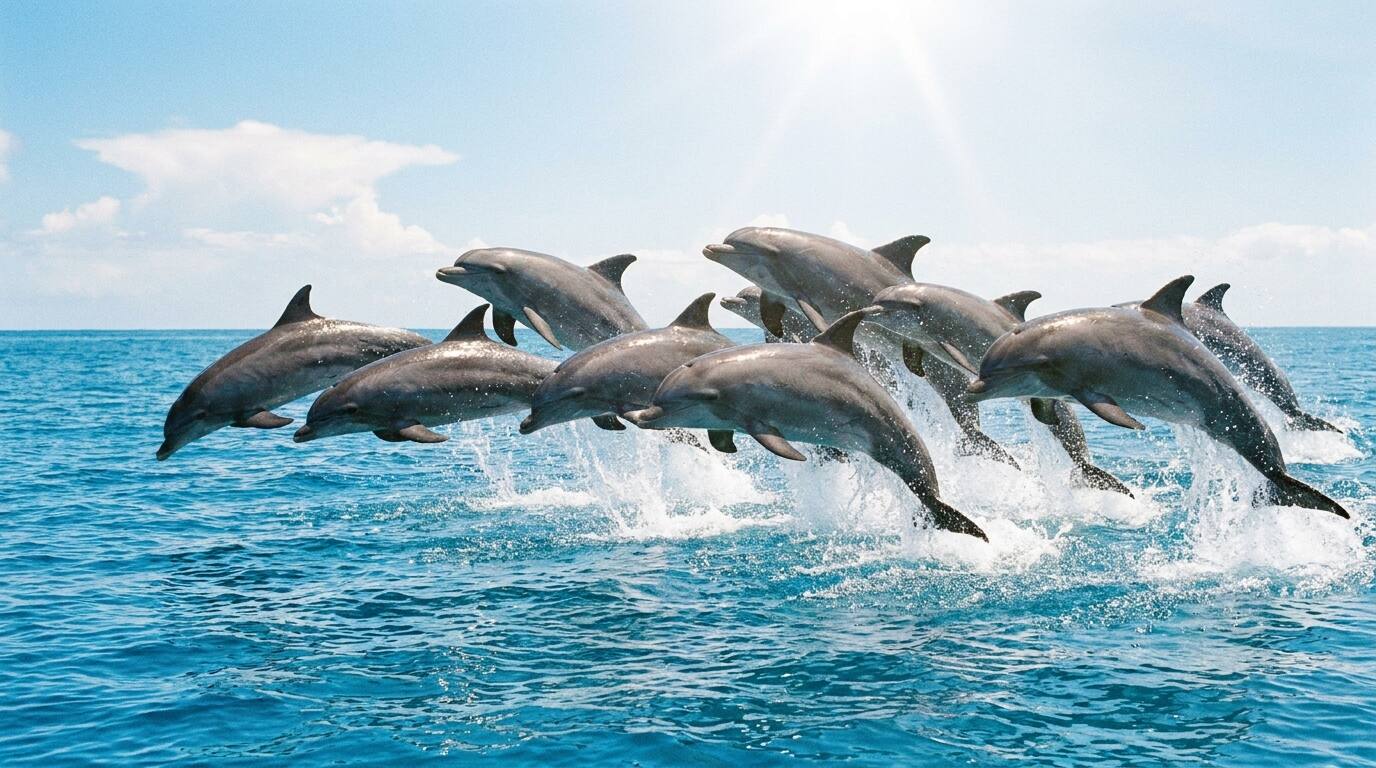
Dolphin Senses: Taste, Smell and Electric Sense Explained
Dolphins have lost smell and most of their taste, yet they can recognise a friend by urine and sense weak electric fields. Here is what scientists found. The post Dolphin Senses: Taste,...
Read on We Love Dolphins
Epaulette Shark: The Reef Shark That Walks and Shrugs Off Low Oxygen
The epaulette shark walks on its fins and survives night-time oxygen crashes in Great Barrier Reef tide pools. Here is what studies found, and what it does not. The post Epaulette Shark:...
Read on We Love Sharks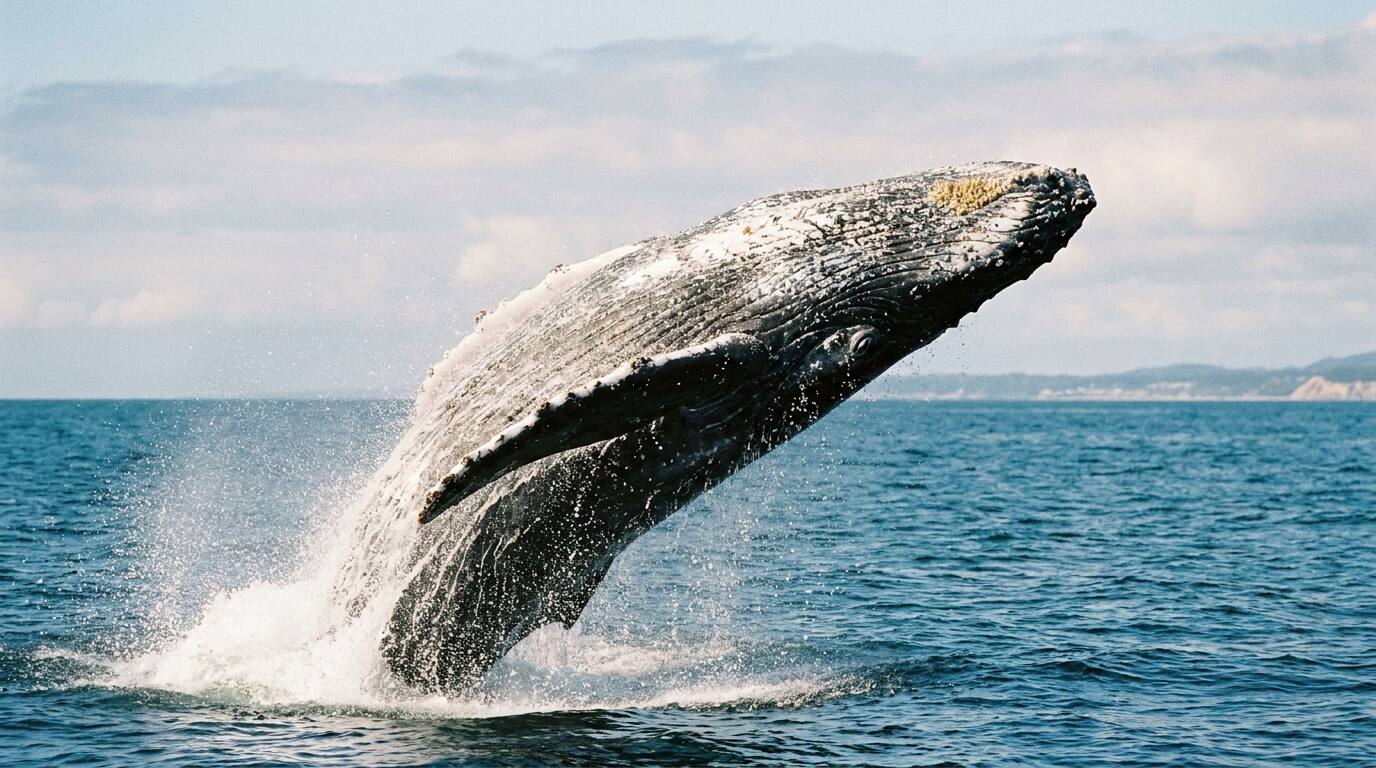
How Baleen Whales Feed: Gulps, Skims and Bubble Nets
Baleen whales have no teeth. They use keratin plates as a sieve, and each species has its own way to fill it. The post How Baleen Whales Feed: Gulps, Skims and Bubble...
Read on Love Whales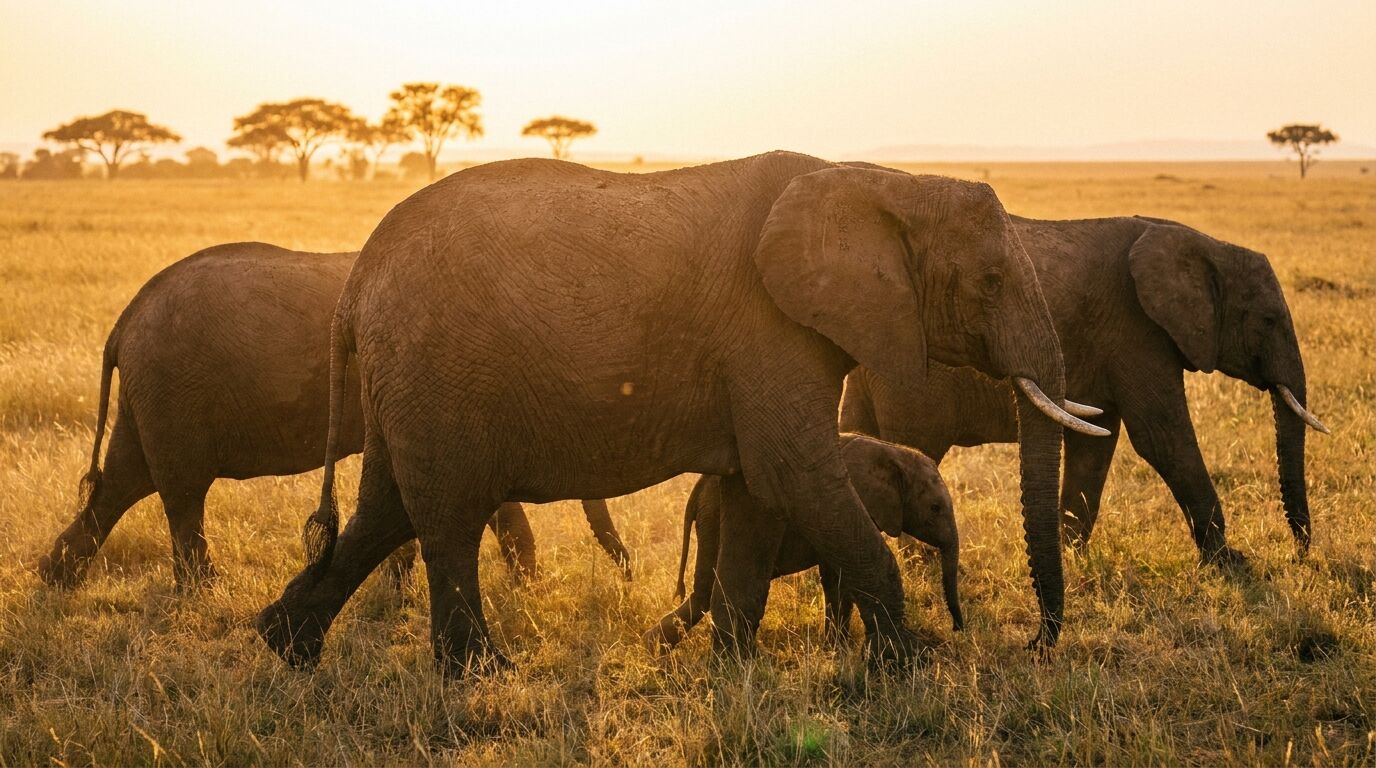
Can Elephants Run? What Gait Measurements Show
Elephants never leave the ground at once, yet they bounce on springy legs at speed. Here is what the measurements say about their gait and top pace. The post Can Elephants Run?...
Read on Love Elephants
How Tigers Mate: Oestrus, Courtship and Timing
A tigress is receptive for only a few days at a time. Here is how tigers signal, court, mate and time a litter. The post How Tigers Mate: Oestrus, Courtship and Timing...
Read on We Love Tigers
Bear Tracks: How to Read Black Bear and Grizzly Prints
How to read a bear track: five toes, front and rear print sizes, the toe line and claw marks, and what a print cannot tell you. The post Bear Tracks: How to...
Read on Love BearsView all posts
Every recent article from all eight We Love Wildlife blogs in one live feed.
See every post