

Apex Predators
What an apex predator is, how top predators like sharks, wolves, bears and orcas shape ecosystems, and why their loss reaches every level of a food web.

An apex predator is an animal that sits at the very top of its food chain, with no natural predators of its own once fully grown. It is a simple definition, but it carries a lot of weight. Apex predators shape the places they live in ways that ripple far beyond the animals they eat. They keep prey populations in check, they influence where those prey animals graze and rest, and through that pressure they can change the structure of whole landscapes and seascapes.
This page looks at what it really means to be a top predator, why these animals matter so much to healthy ecosystems, and what happens when they disappear. We will draw on three of the animal groups covered across our blogs: sharks, wolves and bears, with a look at orcas too, because the orca is part of the dolphin family and is one of the most formidable hunters in the ocean. Each of those groups has a dedicated hub page here and a specialist blog that goes far deeper than we can in a single article.
One honest note before we start. Not every large or famous animal is an apex predator. Giant pandas eat almost nothing but bamboo, and elephants are plant eaters too, so although both are huge and important they are not predators at all. We mention them here only to be clear about the difference. The label “apex predator” is about diet and position in the food web, not about size or fame.
What makes an animal an apex predator
The defining feature is straightforward: an apex predator is not regularly hunted and eaten by anything else. A great white shark, an adult grey wolf in a pack, a large brown bear and an orca all share that status within their own habitats. They may compete with each other, they may scavenge, and their young can certainly be vulnerable, but a healthy adult is rarely prey.
Apex predators tend to share a few traits. They are usually large relative to the animals around them, they are intelligent and adaptable hunters, and they often range over wide territories. They also tend to be relatively few in number. A landscape can support thousands of grazing animals but only a handful of the predators that hunt them, because energy is lost at every step up the food chain. That scarcity is normal and healthy. It also makes apex predators fragile, because a population that is naturally small has little room to absorb extra pressure from humans.
It is worth saying that “apex predator” is a role within a particular ecosystem, not a fixed rank an animal carries everywhere. A predator that is untouchable in one setting can be vulnerable in another. The status describes a relationship, not a trophy. Our article Do Apex Predators Have Predators? looks at what does kill adult top hunters, from orcas that take great white sharks to wolves that kill rival wolves.
Trophic cascades: how top predators shape ecosystems
The most important idea for understanding apex predators is the trophic cascade. The term sounds technical, but the concept is intuitive. When a top predator is present, it affects the animals it hunts. Those animals in turn affect the plants or smaller animals they feed on. The effect cascades down through several levels of the food web, and the result can be a landscape that looks and functions completely differently depending on whether the predator is there or not. Our article Keystone Species Explained sets out the studies behind sea stars, sea otters, wolves, elephants and tiger sharks, and where scientists still disagree.
Predators drive cascades in two ways. The obvious one is by reducing prey numbers. The subtler and often more powerful one is by changing prey behaviour. When a dangerous hunter is around, prey animals avoid risky places, move more often and graze less heavily in exposed spots. Ecologists sometimes call this the landscape of fear. The grass on a riverbank can recover not because every grazer has been eaten, but because grazers no longer feel safe lingering there.
Cascades are easiest to see when a predator is removed and then returns. Take away the top predator and prey numbers can climb, vegetation can be stripped back, and the knock on effects reach birds, fish, insects and the shape of the land itself. Restore the predator and the system can begin to knit back together. The single clearest example of this comes from a national park in the United States, and it involves wolves.
The Yellowstone wolf story
Grey wolves were hunted out of Yellowstone National Park by the mid 1920s. For about seventy years the park had no wolves at all. During that time elk, one of the wolves’ main prey animals, became very abundant and browsed heavily on young willow, aspen and cottonwood along streams and in valleys. Those young trees struggled to grow tall, and the habitat that depended on them thinned out.
In 1995 and 1996 wolves were reintroduced to Yellowstone. In the years that followed, ecologists watched the system respond. Elk numbers fell and, just as importantly, elk behaviour changed: they spent less time browsing in exposed valley bottoms and stream sides where wolves could corner them. Willows and aspens in some areas began to recover. Taller streamside vegetation gave beavers more to work with, songbirds more cover, and shaded, stabilised banks benefited fish. Scavengers from ravens to bears gained a more reliable supply of carcasses.
It is worth being careful here, because the Yellowstone story is often told in a tidier way than the science supports. Wolves were not the only thing that changed. Bear numbers, drought, fire, the return of beavers and shifts in elk management all played a part, and recovery has been patchy rather than uniform across the park. Researchers still debate how much of the change to credit to wolves alone. What is not in doubt is the core lesson: a single apex predator can influence an entire ecosystem, and removing one has consequences that take decades to understand. We explore wolf behaviour and pack life in much more detail on our wolves hub page, and the specialist team at welovewolves.org follows wolf recovery projects around the world.
Sharks: the ocean’s long-standing top predators
Sharks have filled the role of ocean predator for an extraordinarily long stretch of time, longer than there have been trees on land. Today there are several hundred shark species, and only a fraction of them are large hunters. Many sharks are small, and some of the largest, the whale shark and the basking shark, are gentle filter feeders that pose no threat to people at all.
The shark most people picture as an apex predator is the great white. Great whites hunt seals, sea lions and fish, and a fully grown one has little to fear in most of its range. Other large predatory sharks, such as tiger sharks and bull sharks, play a similar top role on tropical reefs and coastlines. Where these sharks are healthy in number, they help keep prey populations balanced and even influence where those prey animals feed, which can protect seagrass meadows and reef systems further down the chain. That is a marine trophic cascade in action.
Sharks also show that apex status does not guarantee safety from humans. Many shark species are threatened, with overfishing and the demand for shark fins driving steep declines. The IUCN Red List places a large share of sharks and their relatives in threatened categories. A predator can sit at the top of the ocean food web and still be in serious trouble. Our sharks hub page sets out the wider picture, and welovesharks.org covers individual species, shark behaviour and conservation campaigns in depth.
Bears: powerful, but more opportunist than pure hunter
Bears are often called apex predators, and the label fits, but with a caveat that makes them interesting. Most bears are omnivores. A brown bear or a black bear will hunt when the opportunity is good, scavenge a carcass, and then spend long hours eating berries, roots, nuts and grasses. Their diet shifts with the seasons. The polar bear is the clear exception: it is a true carnivore, built around hunting seals on sea ice, and across the Arctic it is the unchallenged top predator.
Even as part time hunters, bears matter to their ecosystems. In rivers where salmon run, bears catch fish and carry them into the forest, and the nutrients from those carcasses end up feeding the trees and soil. A large bear also reshapes prey behaviour and competes with other predators, including wolves, for the same carcasses and the same young prey animals. The relationship between bears and wolves is a good reminder that apex predators do not live in isolation: they shape each other as well as the animals beneath them.
For polar bears, the threats are tightly linked to a changing climate. As Arctic sea ice forms later and breaks up earlier, polar bears have less time and a smaller platform from which to hunt seals. The IUCN lists the polar bear as Vulnerable, with sea ice loss the central concern. You can read more about the bear family, from sun bears to grizzlies to polar bears, on our bears hub page, and the writers at lovebears.org follow bear conservation across every continent where bears are found.
Orcas: the ocean’s top predator and the largest dolphin
The orca, also called the killer whale, is often described as the ocean’s top apex predator, and there is a good case for it. Orcas are found in every ocean, from polar seas to the tropics. They hunt cooperatively in tightly bonded family groups, and different populations specialise in very different prey: some focus on fish such as salmon and herring, others hunt seals, sea lions and even other whales. They are intelligent, fast and socially coordinated, and an adult orca has no natural predator.
There is a common surprise here worth clearing up. Despite the name “killer whale”, the orca is not a whale in the everyday sense. It is the largest member of the dolphin family. That makes it a neat example of how our animal groups connect: a dolphin that out-hunts most sharks, and that even large whales treat as a threat. Orca hunting strategies, such as working as a group to wash seals off ice floes, are some of the most sophisticated predatory behaviour known in any animal.
Because orcas sit at the very top of the marine food web, they also accumulate pollutants that build up at each step of the chain, which makes them sensitive to contamination in the ocean. Their dependence on healthy prey populations means that a decline in fish or marine mammals reaches them too. We cover orcas and their relatives on our dolphins hub page, with deeper species coverage at welovedolphins.org. Their relationship with the great whales is explored further on our whales hub page.
What happens when apex predators disappear
Across the world, apex predators have been lost from large parts of their former range. Wolves were removed from much of Western Europe and North America. Large sharks have declined sharply in many ocean regions. The pattern is consistent, and so are the consequences.
- Prey populations can grow unchecked, then crash when they outstrip their food supply.
- Heavy, unbroken grazing or browsing can strip vegetation, erode riverbanks and reduce habitat for birds, insects and fish.
- Smaller predators can increase in number when the top predator no longer suppresses them, a pattern sometimes called mesopredator release.
- Ecosystems become simpler and less resilient, with fewer species and weaker buffers against disturbance.
The encouraging side is that these systems can often recover when predators return, as Yellowstone showed, although recovery is rarely quick or tidy. Protecting apex predators is therefore not only about saving a charismatic animal. It is about keeping whole ecosystems working. That is why predator conservation, from shark protections to wolf recovery programmes, is treated as a priority by bodies such as the IUCN and WWF. We tie these themes together on our wildlife conservation pillar page.
Living alongside apex predators
Conserving top predators is rarely just an ecological question. It is also a human one. Wolves and bears can come into conflict with farmers and ranchers. Sharks raise understandable fear, even though serious shark incidents are very rare compared with the scale of human activity in the ocean. Real conservation has to take those concerns seriously rather than dismiss them.
Practical coexistence tools exist and they work. Livestock guarding dogs, better fencing, compensation schemes for losses, careful management of where predators and people overlap, and honest public information all help reduce conflict. The goal is not to choose between people and predators but to find arrangements where both can persist. Across our blogs we try to tell that fuller story rather than the simple one.
Bringing the thread together
Apex predators are easy to admire for their power and their drama, but their real importance is quieter than that. They are the regulators of the systems they belong to. A great white shark steadying a reef, a wolf pack reshaping a river valley, a bear moving salmon nutrients into a forest, an orca family keeping marine prey on the move: in each case the predator is doing work that no other animal can do in quite the same way.
That is also why their loss is felt so widely, and why their protection pays back across an entire ecosystem. If you want to follow any of these animals more closely, our hub pages for sharks, wolves, bears and dolphins are the place to start, with the specialist blogs at welovesharks.org, welovewolves.org and lovebears.org going deeper still.
Common questions about apex predators
Is the lion the only apex predator, or are there many?
There are many. The lion is a famous land example, but apex predators exist in nearly every ecosystem. Great white sharks and orcas top ocean food webs, wolves and large bears top many temperate and northern habitats, and other big cats, crocodiles and large birds of prey fill the role elsewhere. The label belongs to whichever animal sits at the top of a given food chain.
Are pandas or elephants apex predators?
No. Giant pandas eat almost entirely bamboo, and elephants are plant eaters, so neither is a predator at all, let alone an apex one. They are large and important animals, but importance and size are not the same as being a top hunter. You can read about them on our pandas hub page and elephants hub page.
Why does removing one predator change a whole landscape?
Because of trophic cascades. A predator controls both the number and the behaviour of its prey. Change that, and the plants and smaller animals those prey feed on change too, and the effect ripples down through several levels of the food web. The Yellowstone wolves are the best known example of this chain of consequences.
Can an apex predator still be endangered?
Yes, and many are. Sitting at the top of a food web protects an animal from natural predators, but not from humans. Overfishing, hunting, habitat loss and climate change have pushed many sharks into threatened categories on the IUCN Red List, and polar bears are listed as Vulnerable. Top status and conservation safety are very different things.
Are orcas whales or dolphins?
Orcas are dolphins. The orca is the largest member of the dolphin family, despite the common name “killer whale”. It is also one of the most effective predators in the ocean, hunting in coordinated family groups. Our dolphins hub page explains the relationship in more detail.
Latest from our blogs

How Wolves Move in Snow: Feet, Footload and Snowfall
Wolves spread their toes on snow, but a study of collared wolves in Alberta found falling snow slowed packs more than deep snow did. The post How Wolves Move in Snow: Feet,...
Read on We Love Wolves
Red Panda Cubs: Birth, Den Life and Weaning Explained
How a red panda cub grows from a 100 gram newborn in a tree den to a young adult, with the timing from two zoos and a recent genetics study. The post...
Read on We Love Pandas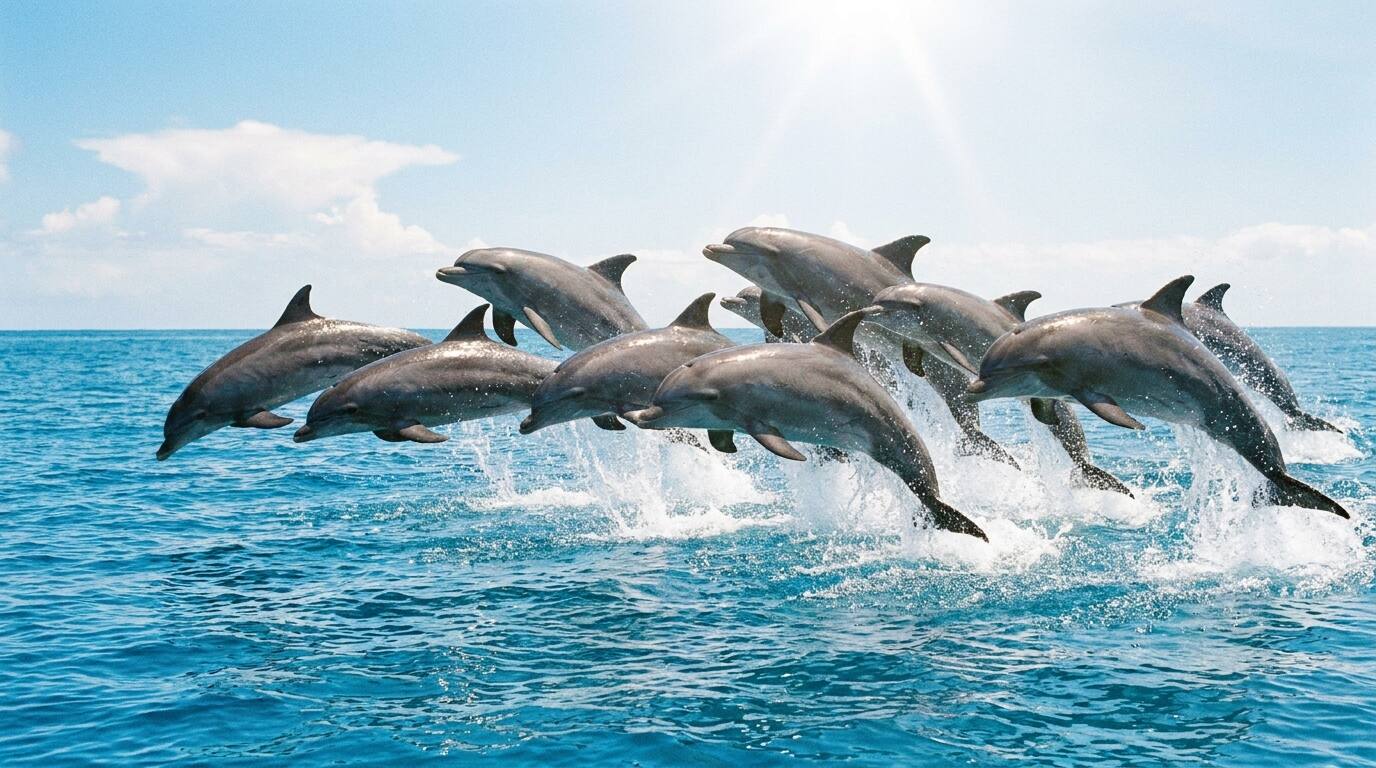
Dolphin Senses: Taste, Smell and Electric Sense Explained
Dolphins have lost smell and most of their taste, yet they can recognise a friend by urine and sense weak electric fields. Here is what scientists found. The post Dolphin Senses: Taste,...
Read on We Love Dolphins
Epaulette Shark: The Reef Shark That Walks and Shrugs Off Low Oxygen
The epaulette shark walks on its fins and survives night-time oxygen crashes in Great Barrier Reef tide pools. Here is what studies found, and what it does not. The post Epaulette Shark:...
Read on We Love Sharks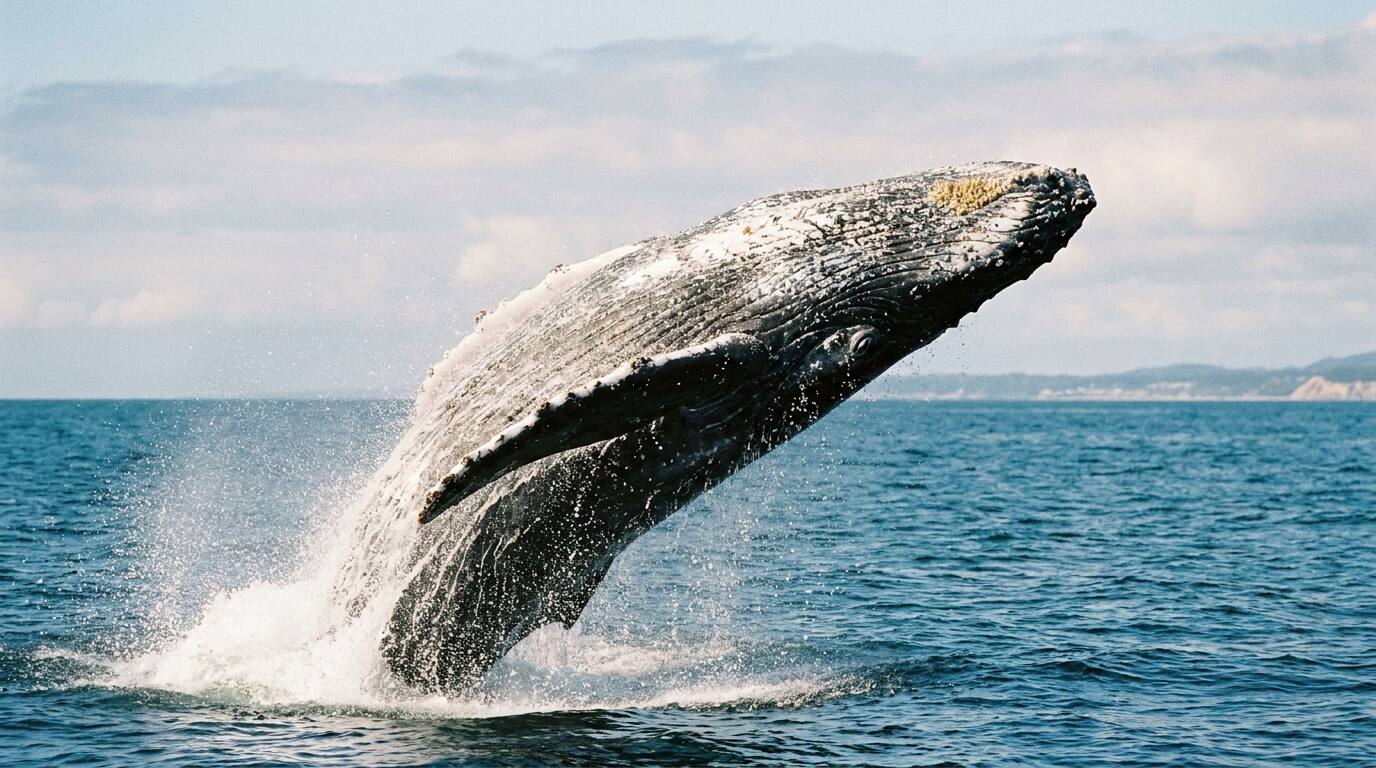
How Baleen Whales Feed: Gulps, Skims and Bubble Nets
Baleen whales have no teeth. They use keratin plates as a sieve, and each species has its own way to fill it. The post How Baleen Whales Feed: Gulps, Skims and Bubble...
Read on Love Whales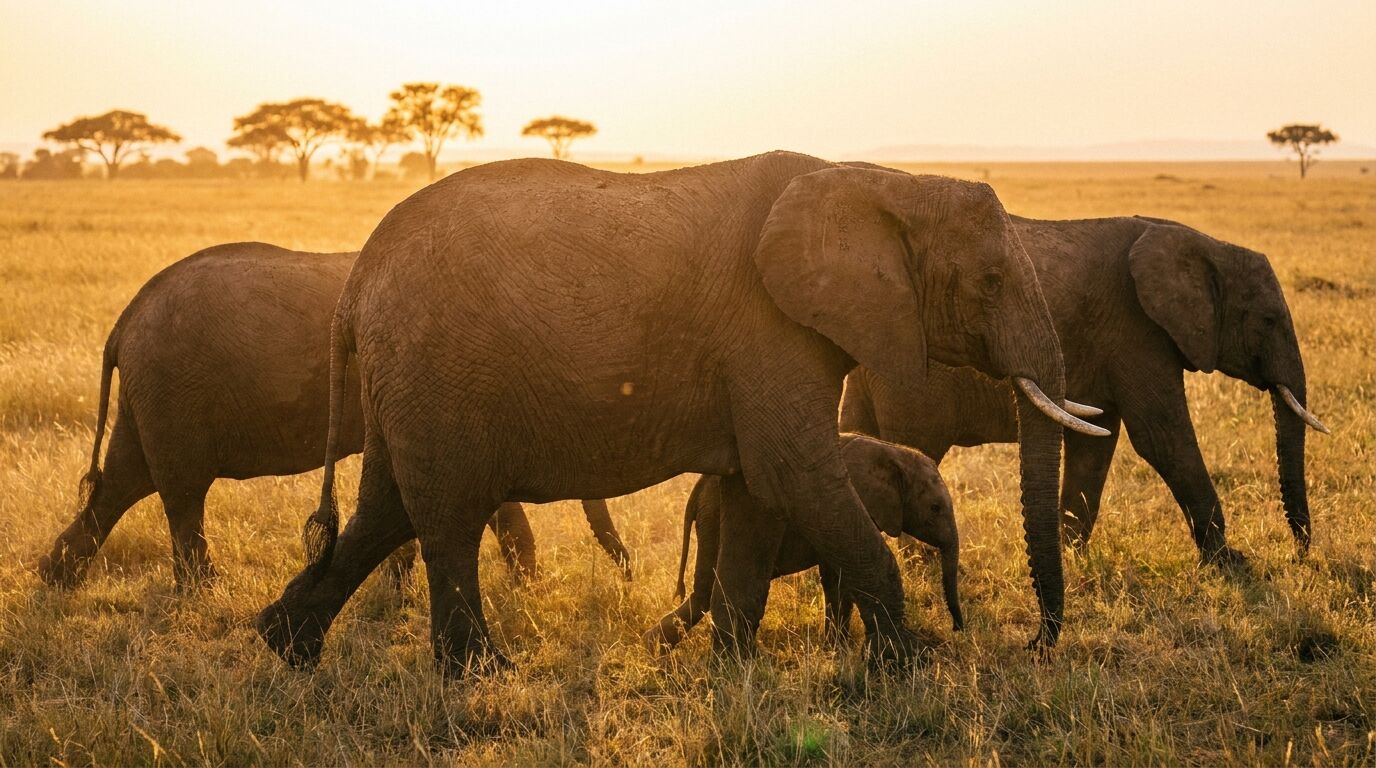
Can Elephants Run? What Gait Measurements Show
Elephants never leave the ground at once, yet they bounce on springy legs at speed. Here is what the measurements say about their gait and top pace. The post Can Elephants Run?...
Read on Love Elephants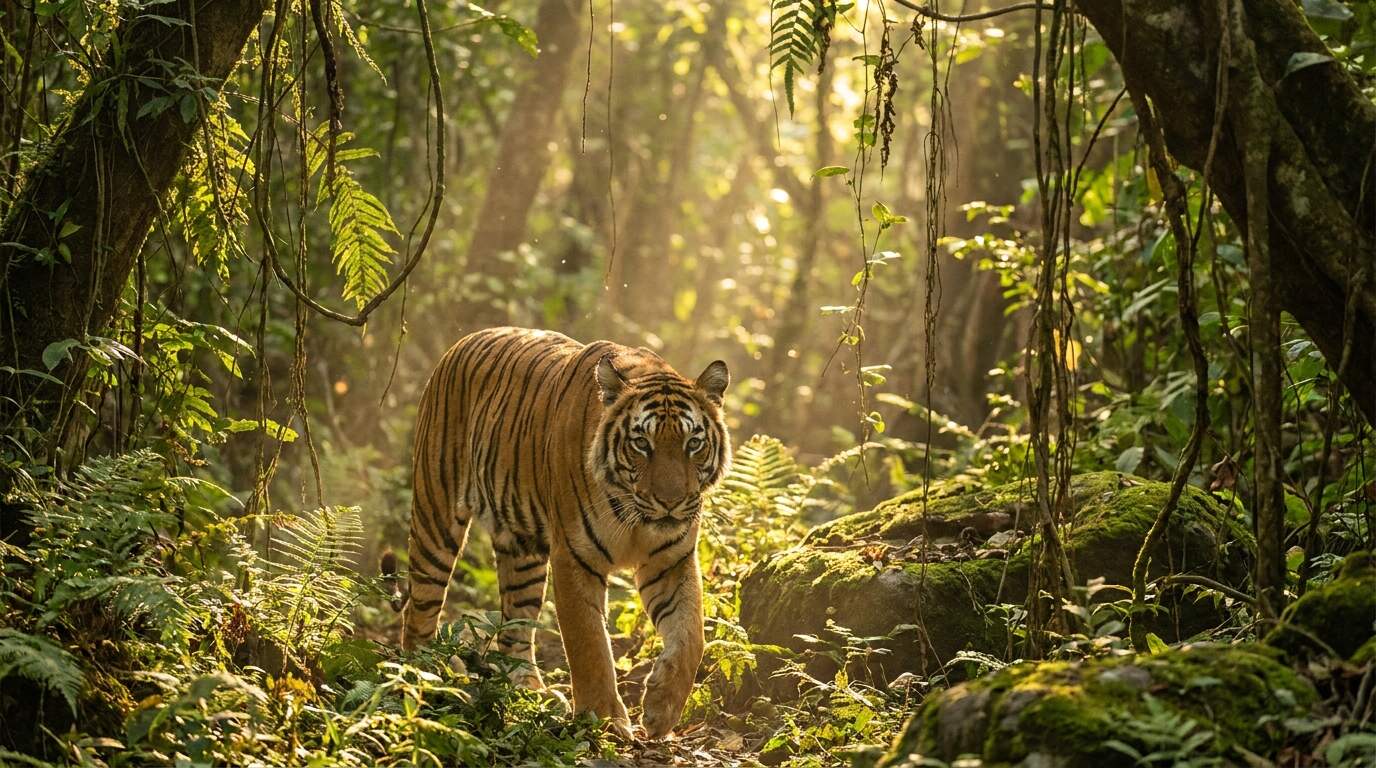
How Tigers Mate: Oestrus, Courtship and Timing
A tigress is receptive for only a few days at a time. Here is how tigers signal, court, mate and time a litter. The post How Tigers Mate: Oestrus, Courtship and Timing...
Read on We Love Tigers
Bear Tracks: How to Read Black Bear and Grizzly Prints
How to read a bear track: five toes, front and rear print sizes, the toe line and claw marks, and what a print cannot tell you. The post Bear Tracks: How to...
Read on Love BearsView all posts
Every recent article from all eight We Love Wildlife blogs in one live feed.
See every post