

Wolves
A clear guide to wolves: the main species, how packs live and behave, their IUCN status, and why recovery is real but uneven across the world.

Few animals carry as much cultural weight as the wolf. It has been cast as villain in folk tales, celebrated as a symbol of the wild, and studied closely as a keystone species whose presence shapes whole landscapes. The real animal is more interesting than any of its myths: a highly social, intelligent predator that lives in tight family units, communicates across long distances, and travels further in a season than most of us do in a year.
This page is a broad introduction to wolves: the species, where they live, how they behave, and where they stand with conservation. It is a starting point rather than the last word. For the detailed species profiles, pack stories, and ongoing recovery news, our dedicated team at welovewolves.org covers wolves in far more depth than a single hub page can.
The wolf at a glance
Wolves are the largest wild members of the dog family. They are built for endurance rather than raw speed, with long legs, large feet, and the stamina to follow prey for miles. Here are the quick facts worth knowing before the detail.
- Size: an adult grey wolf typically weighs somewhere between 30 and 50 kilograms, with northern populations running larger than southern ones.
- Range: wolves are found across large parts of North America, Europe, and Asia, making them one of the most widely distributed wild mammals on Earth.
- Diet: they are carnivores that mainly hunt hoofed mammals such as deer, elk, moose, and wild boar, and will also take smaller prey and scavenge.
- Social structure: they live in family groups, usually a breeding pair and their offspring of one or more years, rather than the rigid dominance hierarchy older accounts described.
- Lifespan: in the wild most wolves live around six to eight years, though some reach their teens where conditions are favourable.
- IUCN picture: the grey wolf is listed as Least Concern globally, but that headline hides very different local realities, and the red wolf is Critically Endangered.
The main types of wolf
Most people picture a single animal when they think of wolves, but the picture is more varied. The grey wolf is the species nearly everyone knows, and it ranges across the Northern Hemisphere in a number of regional forms. Arctic populations tend to be pale and heavily built for the cold, while wolves further south are smaller and often darker. The eastern wolf of the Great Lakes region and southeastern Canada has long puzzled taxonomists because its exact relationship to grey wolves and coyotes is still debated.
The red wolf of the southeastern United States is a separate and far rarer story. It is one of the most endangered carnivores in the world, surviving only because of a long captive breeding and reintroduction effort. The Ethiopian wolf, found in a few highland areas of Ethiopia, is rarer still as a species and is more closely related to grey wolves than its jackal-like appearance suggests. These rarer wolves show how a familiar animal can sit on the edge of extinction once you look past the common grey wolf.
Where wolves live and how they behave
Wolves are generalists when it comes to habitat. They live in tundra, boreal and temperate forest, mountain ranges, grassland, and even semi-desert. What they need is not a particular landscape but enough prey, enough space, and enough tolerance from the people who share that space. That last point matters more than any habitat map, because human attitudes decide where wolves can persist.
The pack is the centre of wolf life. A pack is best understood as a family: a breeding pair and their young from one or more litters, sometimes joined by other relatives. Pups are raised cooperatively, with older siblings helping to feed and guard them. Packs hold territories that they patrol and mark with scent and with the howling that carries for miles. Howling is partly a way of keeping the family in contact and partly a way of telling neighbouring packs where the boundaries lie.
When young wolves reach maturity, many disperse. A dispersing wolf may travel a remarkable distance in search of a mate and unclaimed ground, which is exactly how wolves recolonise areas they were once driven out of. As apex predators, wolves also shape the systems they live in, influencing the numbers and behaviour of prey species and, through them, the wider community of plants and animals. We explore that role across several predators on our apex predators pillar page.
Are wolves endangered?
The honest answer is that it depends entirely on which wolf and which place you mean. Globally the grey wolf is listed as Least Concern on the IUCN Red List, because the species as a whole is widespread and numerous across the Northern Hemisphere. That status is genuine, but it can be misleading if read as a sign that wolves are doing well everywhere.
Locally the situation is complex. Wolves were exterminated from much of western Europe and the contiguous United States during the nineteenth and twentieth centuries through hunting, poisoning, and habitat loss. In recent decades the trend has partly reversed. Wolves have been recolonising parts of Europe on their own, returning to countries where they had been absent for generations. In the United States, the reintroduction of wolves to Yellowstone National Park in 1995 became one of the most closely watched conservation stories of modern times and helped re-establish a population across the northern Rocky Mountains.
The red wolf is the sharp exception. Listed as Critically Endangered, it survives thanks to captive breeding and a small, fragile reintroduced population, and its future remains genuinely uncertain. Across all wolves the main threats are familiar: conflict with livestock farming, illegal killing, road traffic, and shifting legal protections. The work being done in response includes legal protection, compensation schemes for farmers who lose livestock, non-lethal deterrents, and careful monitoring of returning populations. The pattern that emerges across endangered species more broadly is covered on our endangered animals pillar page.
Where to go next
If wolves have caught your interest, the place to go deeper is our specialist blog. The team at welovewolves.org publishes detailed species profiles, pack histories, recovery updates, and answers to the questions readers ask most often. It is the corner of We Love Wildlife devoted entirely to this one animal.
It is also worth following the threads to related animals. Wolves are not the only large carnivore returning to landscapes they were pushed out of, and our bears hub page tells a parallel story of recovery, coexistence, and conflict with people. For a contrast at the other end of the size scale, our elephants hub page looks at another intensely social, family-living animal whose survival depends just as heavily on human tolerance.
Common questions about wolves
Are wolves dangerous to people?
Wild wolves generally avoid people, and verified attacks on humans are very rare. The wolves that cause most concern are those that have lost their wariness, often after being fed or after becoming habituated near settlements. Treating wolves as wild animals and keeping a respectful distance is the simplest way to keep encounters safe.
Do wolves really have alpha leaders?
The old idea of a wolf fighting its way to alpha status came from studies of unrelated captive wolves and does not describe wild packs well. A wild pack is a family, and the breeding pair lead it simply because they are the parents. The researcher who popularised the alpha term has since spent years asking people to drop it.
Why do wolves howl?
Howling does several jobs at once. It helps pack members locate one another across distance, it advertises a territory to neighbouring packs, and it appears to strengthen the social bonds within the family. It is communication, not just noise.
How is a wolf different from a coyote?
Wolves are noticeably larger and heavier than coyotes, with broader muzzles and shorter, rounder ears in proportion to the head. They also tend to hunt larger prey in family groups, whereas coyotes are more flexible and often forage alone or in pairs. In some regions the two animals overlap and even interbreed, which makes individual identification harder.
Are wolves coming back to areas where they disappeared?
In several parts of the world, yes. Wolves have been recolonising parts of Europe naturally as protection improved, and reintroduction programmes such as the 1995 release in Yellowstone re-established populations in the United States. Recovery is real but uneven, and it usually depends as much on public tolerance as on the wolves themselves.
Shop the We Love Wolves collection
Our sister site runs a dedicated wolf shop: books, apparel and gifts chosen for wolf lovers. Browsing it helps support the our conservation writing.
Visit the wolf shopLatest from We Love Wolves
How Wolves Move in Snow: Feet, Footload and Snowfall
Wolves spread their toes on snow, but a study of collared wolves in Alberta found falling snow slowed packs more than deep snow did. The post How Wolves Move in Snow: Feet,...
Read on We Love Wolves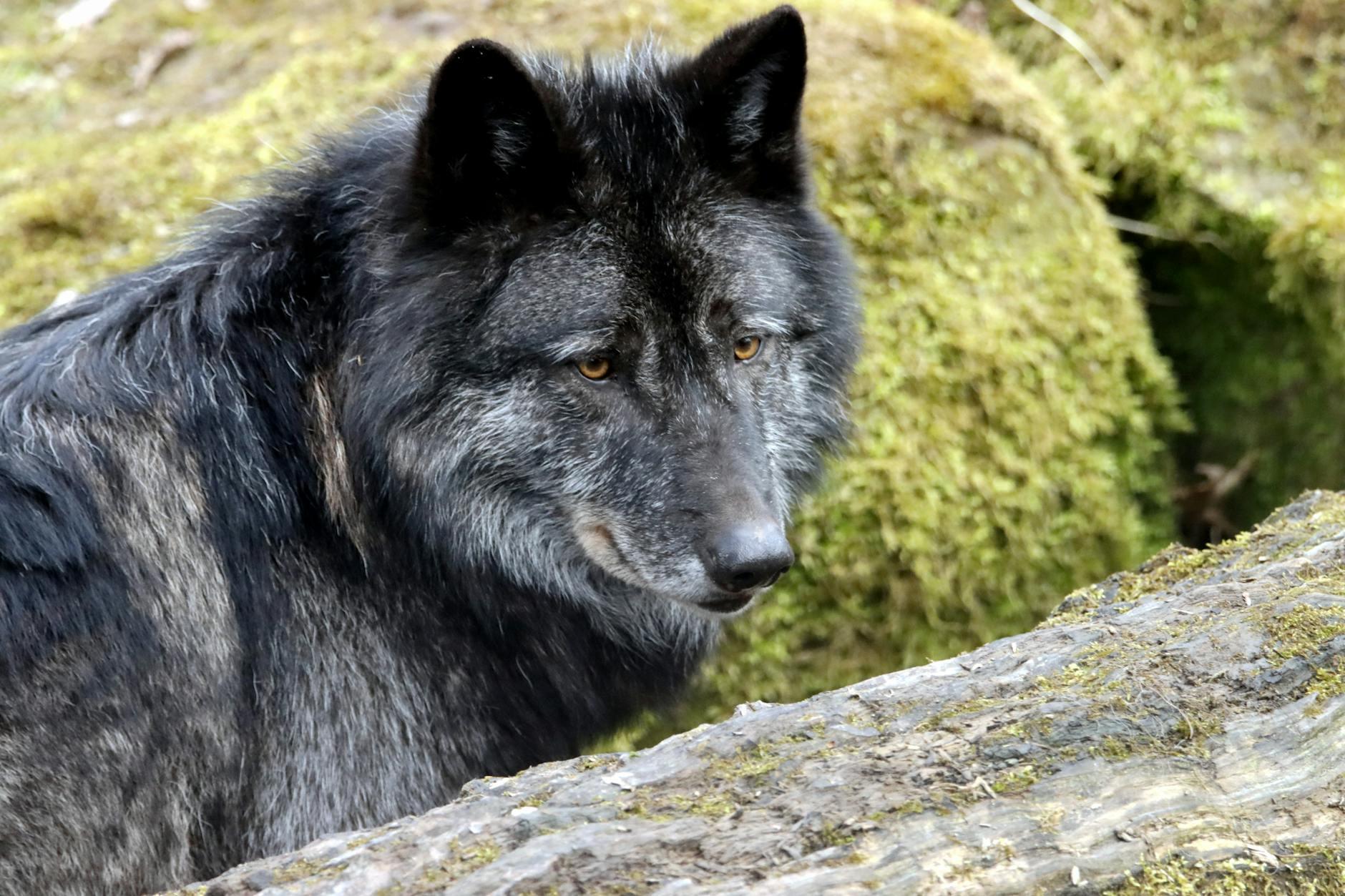
OR-7: The Wolf That Walked From Oregon to California
OR-7, called Journey, left Oregon's Imnaha Pack in September 2011 and in December became the first wild wolf confirmed in California since 1924. His route, the Rogue Pack he founded, and the...
Read on We Love WolvesSarcoptic Mange in Wolves: What Studies Found
A burrowing mite can strip a wolf's coat and tip it into starvation. Studies in Scandinavia and Yellowstone show the effect varies a great deal. The post Sarcoptic Mange in Wolves: What...
Read on We Love WolvesThe Wolf Coat: Two Layers, Spring Shedding and Colour
A wolf's coat is a two-layer system with a yearly cycle. Here is how the undercoat, guard hairs and spring shed work, and what sets the colour. The post The Wolf Coat:...
Read on We Love WolvesWhy Young Wolves Leave the Pack and How Far They Go
Young wolves leave the family to find mates and land. Genetic studies in Italy, Scandinavia and Alaska show how far they go and what they find. The post Why Young Wolves Leave...
Read on We Love Wolves
Idaho Wolf Population: Where the Numbers Stand
Idaho Fish and Game estimated 1,129 wolves in Idaho in May 2025, down from more than 1,650 in 2020. How the estimate is made, the 2021 law behind the decline, and the...
Read on We Love Wolves